
Did you know that construction projects generate over 600 million tons of debris annually in the United States, with improper waste management costing contractors an average of $2,400 per project in delays and violations? Effective construction dumpster rental strategies have become critical for project success, regulatory compliance, and profit margins in today’s competitive construction industry.
Whether you’re managing a commercial build in Concord, residential development in Walnut Creek, or infrastructure project throughout the Bay Area, professional construction dumpster rental services determine project efficiency and cost control. Poor waste management decisions lead to work stoppages, safety violations, and budget overruns that can devastate project profitability.
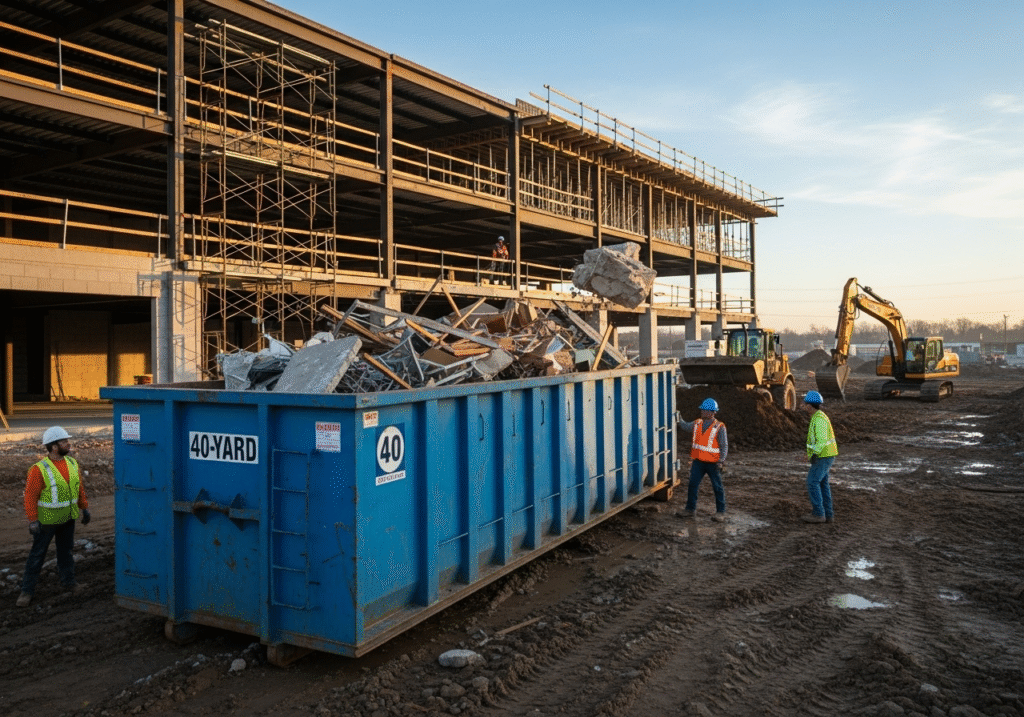
This comprehensive 2025 guide reveals eight expert strategies for optimizing construction dumpster rental selection, sizing, placement, and management. You’ll discover insider tips from industry professionals, cost-saving techniques, and compliance strategies that separate successful contractors from those struggling with waste management challenges. Continue reading to master the construction dumpster rental expertise that drives project success and profitability.
What is Construction Dumpster Rental and Why It Matters
Construction dumpster rental provides temporary waste containers specifically designed for construction, demolition, and renovation projects requiring heavy-duty debris management. Unlike residential services, construction dumpster rental focuses on industrial-grade containers, specialized materials handling, and compliance with commercial waste regulations.
Construction-Specific Container Features
Heavy-Duty Construction:
- Reinforced steel construction handling concrete, steel, and heavy debris
- Open-top design accommodating large materials and equipment loading
- Sizes ranging from 20 to 40 cubic yards for construction applications
- Weight capacities supporting dense construction materials
Specialized Loading Capabilities:
- Walk-in doors for easy material placement
- Low-profile designs for equipment loading access
- Reinforced floors supporting heavy machinery operation
- Tie-down points for securing materials during transport
Industry Compliance Requirements
Construction dumpster rental services must navigate complex regulatory environments affecting project operations:
OSHA Safety Standards:
- Proper container placement preventing workplace hazards
- Load securing requirements for material transport
- Worker safety protocols for container access
- Documentation requirements for compliance audits
Environmental Regulations:
- Proper disposal documentation for construction materials
- Recycling requirements for specific debris types
- Hazardous material handling protocols
- Waste diversion goals and reporting requirements
BBP Dumpster brings extensive construction industry experience to contractors throughout our service areas, understanding the unique challenges construction professionals face with project timelines, regulatory compliance, and cost management.
Construction vs. Residential Waste Management
Understanding the distinction between construction and residential dumpster services helps contractors select appropriate solutions:
Construction Service Focus:
- Heavy construction debris and materials
- Large container sizes (20-40 cubic yards typical)
- Extended rental periods for project duration
- Multiple container coordination for large sites
- Commercial pricing structures and volume discounts
Residential Service Focus:
- Household items and light renovation debris
- Smaller containers (10-30 cubic yards)
- Short-term rental periods
- Single container deliveries
- Homeowner-friendly pricing
8 Ultimate Expert Tips for Construction Dumpster Rental Success
Tip 1: Master Construction Project Debris Estimation
Accurate debris estimation forms the foundation of successful construction dumpster rental planning, preventing costly container shortages or expensive overages.
Professional Estimation Methods:
Square Footage Calculations:
- Commercial construction: 3-5 cubic yards per 1,000 square feet
- Residential construction: 2-4 cubic yards per 1,000 square feet
- Demolition projects: 25-30 cubic yards per 1,000 square feet
- Renovation work: 1-3 cubic yards per 1,000 square feet
Material-Specific Considerations:
- Concrete and masonry: High density requiring weight-focused containers
- Wood framing: High volume requiring space-focused containers
- Mixed construction debris: Balanced capacity requirements
- Roofing materials: Moderate density with disposal restrictions
Project Phase Planning:
- Foundation work: Heavy concrete and excavation debris
- Framing phase: Wood waste and packaging materials
- Finishing phase: Drywall, flooring, and trim waste
- Final cleanup: Mixed debris and packaging materials
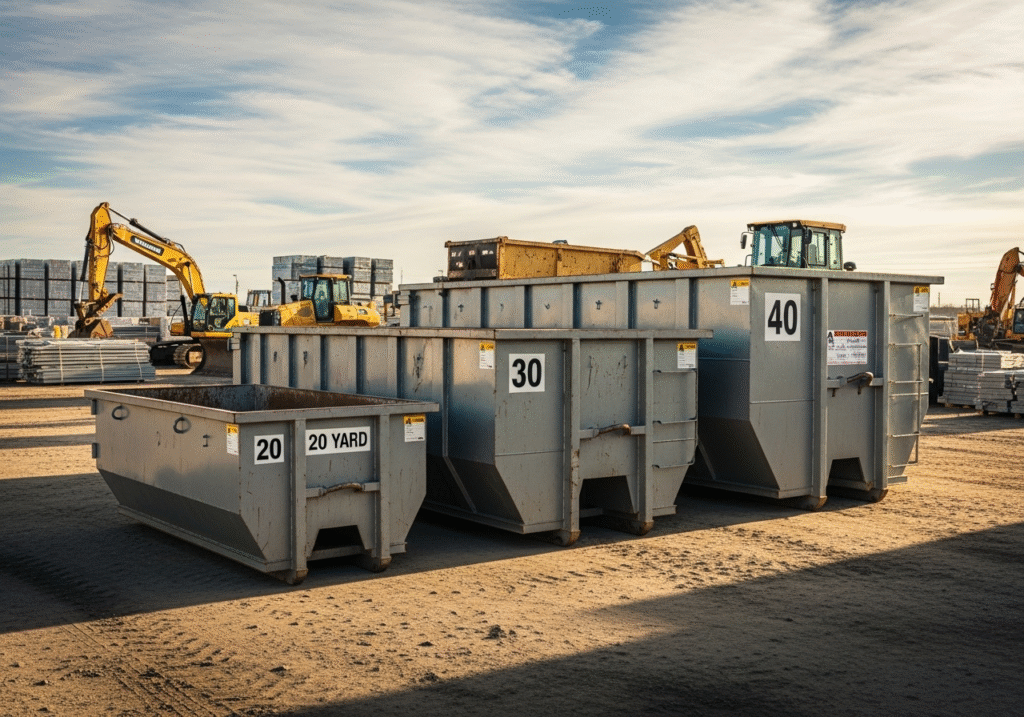
Tip 2: Select Optimal Construction Container Sizes
Choosing appropriate container sizes optimizes both operational efficiency and cost management for construction dumpster rental:
| Container Size | Dimensions | Best Construction Use | Typical Projects |
|---|---|---|---|
| 20 Yard | 22′ x 8′ x 4.5′ | Small construction, renovations | Bathroom remodels, small additions |
| 30 Yard | 22′ x 8′ x 6′ | Medium construction projects | Home construction, large renovations |
| 40 Yard | 22′ x 8′ x 8′ | Large construction, demolition | Commercial builds, major demolition |
Size Selection Strategies:
- Overestimate by 20-30% for unexpected debris generation
- Consider material density when selecting between volume and weight capacity
- Plan for sequential containers on extended projects
- Coordinate multiple containers for large construction sites
Tip 3: Strategic Construction Site Placement Planning
Proper container placement maximizes construction efficiency while ensuring safety compliance and operational access:
Optimal Placement Considerations:
Accessibility Requirements:
- Clear access for delivery trucks (14-foot height clearance minimum)
- Proximity to primary work areas reducing labor time
- Equipment access for loading heavy materials
- Emergency vehicle access maintenance
Safety Compliance:
- OSHA setback requirements from active work zones
- Proper signage and visibility for worker safety
- Stable, level placement preventing container shifting
- Clearance from overhead hazards and utilities
Operational Efficiency:
- Central location minimizing debris transport distances
- Multiple container coordination for large sites
- Staging area integration with material delivery schedules
- Weather protection considerations for sensitive materials
Tip 4: Navigate Construction Waste Regulations and Permits
Construction projects face complex regulatory requirements that professional construction dumpster rental providers help navigate:
Municipal Permit Requirements:
- Commercial construction permits for container placement
- Street closure permits for delivery and pickup operations
- Environmental compliance documentation
- Noise ordinance considerations for delivery timing
Industry-Specific Regulations:
- LEED certification requirements for sustainable projects
- Waste diversion mandates for commercial construction
- Hazardous material handling protocols
- Recycling documentation for permit compliance
BBP Dumpster’s experience with Bay Area construction regulations helps contractors maintain compliance while focusing on project execution. Our team understands local requirements and provides necessary documentation for permit applications and inspections.
Tip 5: Implement Cost-Effective Construction Waste Management
Strategic cost management transforms construction dumpster rental from expense to profit center through efficiency gains and waste reduction:
Cost Optimization Strategies:
Volume Discounts and Contracts:
- Negotiate annual contracts for multiple projects
- Coordinate multiple container deliveries for reduced transport costs
- Establish preferred vendor relationships for priority service
- Leverage volume purchasing for competitive pricing
Waste Stream Optimization:
- Separate recyclable materials for cost reduction
- Coordinate material delivery timing to minimize waste
- Implement on-site waste reduction practices
- Train crews on efficient loading techniques
Timing and Scheduling:
- Schedule deliveries during standard business hours
- Coordinate pickup timing to avoid extension fees
- Plan container swaps for continuous project operation
- Optimize rental periods for project phases
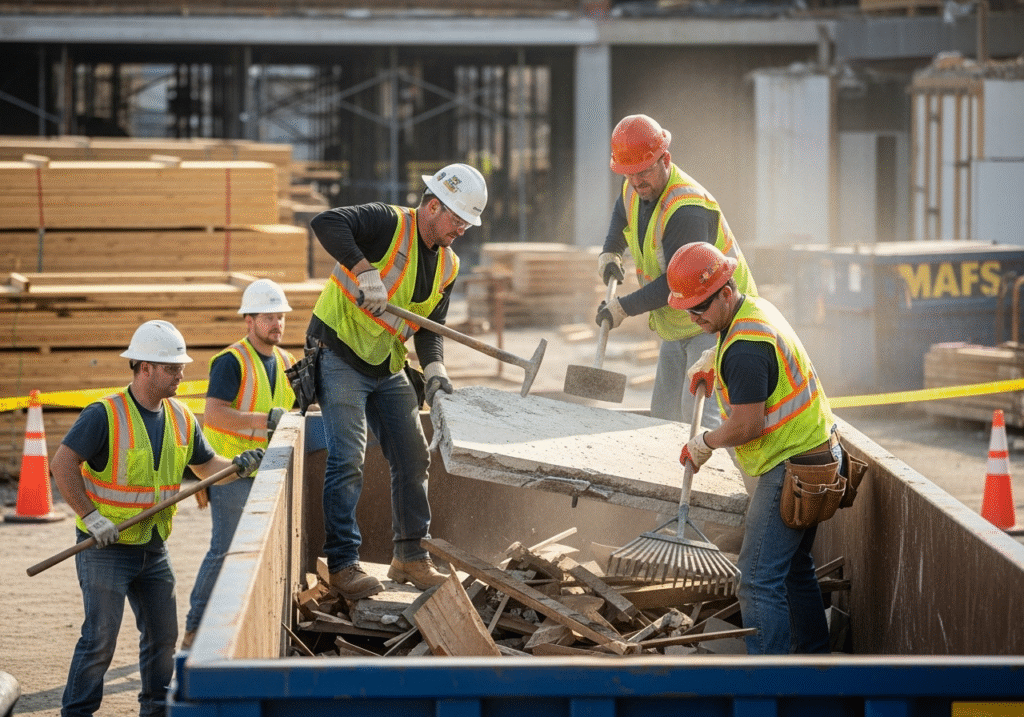
Tip 6: Maximize Construction Debris Loading Efficiency
Efficient loading techniques maximize container capacity while ensuring safety compliance and cost control:
Professional Loading Strategies:
Material Placement Techniques:
- Load heavy materials first for stability
- Break down large items to maximize space utilization
- Distribute weight evenly across container floor
- Avoid overloading beyond container rim level
Safety Protocols:
- Train workers on proper lifting techniques
- Use mechanical equipment for heavy material placement
- Maintain clear access paths around containers
- Implement lockout/tagout procedures for equipment operation
Capacity Maximization:
- Fill containers to rim level without overflow
- Compact materials when safe and appropriate
- Coordinate loading with material delivery schedules
- Monitor weight limits for dense materials like concrete
Tip 7: Coordinate Multiple Container Management
Large construction projects require sophisticated container coordination ensuring continuous waste management without operational disruptions:
Multi-Container Strategies:
Staging and Rotation:
- Establish container rotation schedules matching project phases
- Coordinate delivery and pickup timing to maintain site access
- Plan staging areas for multiple container placement
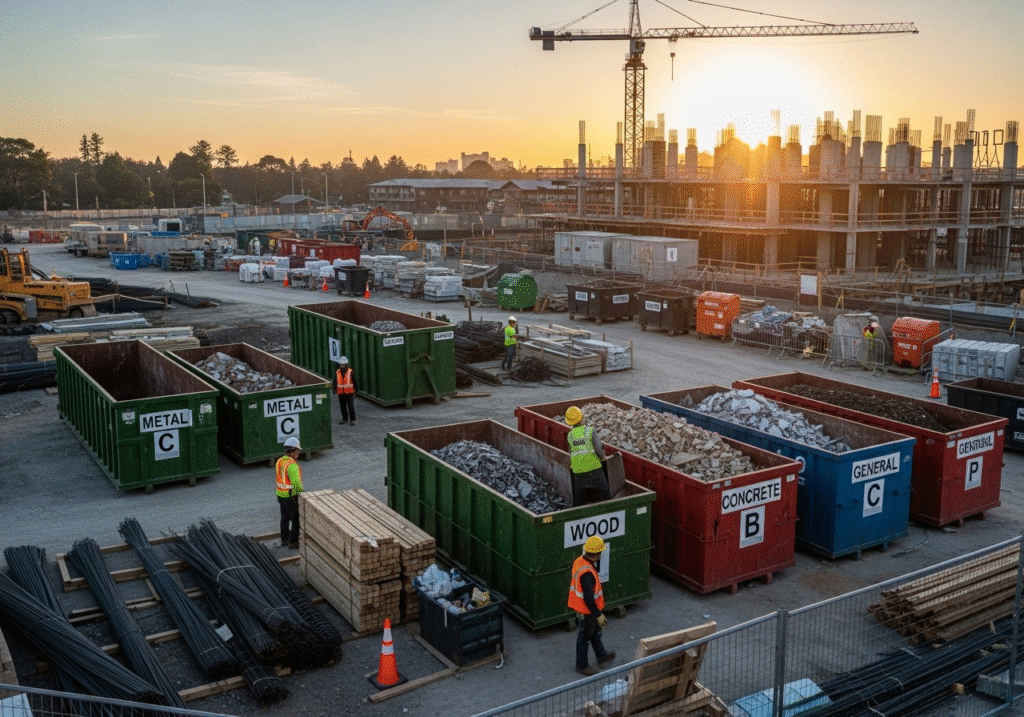
- Implement container identification systems for material segregation
Material Segregation:
- Separate containers for different material types
- Coordinate recycling containers for sustainable practices
- Establish hazardous material handling protocols
- Implement contamination prevention procedures
Logistics Coordination:
- Schedule deliveries around material delivery windows
- Coordinate with other contractors for shared access
- Plan pickup timing to avoid project delays
- Maintain communication with construction dumpster rental providers
Tip 8: Leverage Technology for Construction Waste Tracking
Modern construction projects benefit from technology integration improving waste management efficiency and compliance documentation:
Digital Management Tools:
Project Management Integration:
- Integrate waste tracking with project management software
- Coordinate container scheduling with project timelines
- Track costs and budget allocation for waste management
- Generate compliance reports for permit requirements
Mobile Applications:
- Use mobile apps for container scheduling and tracking
- Implement photo documentation for compliance records
- Coordinate real-time communication with rental providers
- Track material disposal for sustainability reporting
Data Analytics:
- Analyze waste generation patterns for future project planning
- Track cost efficiency across multiple projects
- Identify optimization opportunities for waste reduction
- Generate performance metrics for client reporting
Common Construction Dumpster Rental Mistakes to Avoid
Mistake 1: Underestimating Project Debris Volume
Construction professionals frequently underestimate debris generation, leading to project delays and cost overruns when additional containers become necessary.
Common Underestimation Scenarios:
- Demolition projects revealing unexpected materials
- Change orders increasing project scope and waste
- Packaging and delivery materials exceeding estimates
- Weather delays concentrating debris generation
Professional Solutions:
- Use industry-standard estimation formulas with 20-30% buffers
- Consult with experienced construction dumpster rental providers
- Plan for sequential containers on extended projects
- Implement real-time monitoring for debris accumulation
Mistake 2: Poor Container Placement Planning
Improper placement creates safety hazards, operational inefficiencies, and potential regulatory violations affecting project success.
Placement Errors:
- Blocking emergency access routes
- Insufficient clearance for delivery truck operation
- Placement on unstable or inappropriate surfaces
- Failure to coordinate with other site operations
Best Placement Practices:
- Conduct site surveys before container delivery
- Coordinate placement with project superintendents
- Ensure compliance with OSHA safety requirements
- Plan for equipment access and operational efficiency
Mistake 3: Ignoring Weight Limits and Material Restrictions
Construction materials often exceed standard weight allowances, creating unexpected costs and operational complications.
Weight Management Strategies:
- Understand weight limits for different container sizes
- Separate heavy materials like concrete and steel
- Coordinate specialized containers for dense materials
- Monitor loading to prevent overweight charges
Construction Dumpster Rental Pricing and Cost Analysis
Industry Pricing Structure
Construction dumpster rental pricing reflects the specialized nature of construction waste management and regulatory compliance requirements:
Base Pricing Components:
- Container size and rental duration
- Delivery distance and fuel costs
- Disposal fees and facility charges
- Permit costs and administrative fees
Construction-Specific Costs:
- Extended rental periods for project duration
- Multiple container coordination fees
- Specialized material handling charges
- Compliance documentation and reporting
Cost Comparison Analysis
| Container Size | Rental Period | Base Price Range | Best Construction Use |
|---|---|---|---|
| 20 Yard | 7-14 days | $400-600 | Small construction, renovations |
| 30 Yard | 14-30 days | $500-750 | Medium construction projects |
| 40 Yard | 30+ days | $600-900 | Large construction, demolition |
Additional Cost Factors:
- Overweight charges: $75-150 per ton over allowance
- Extended rental: $15-25 per day beyond standard period
- Multiple delivery coordination: $50-100 per additional trip
- Permit assistance: $75-200 depending on complexity
Cost Optimization Strategies
Volume Contracting:
- Annual contracts for multiple projects
- Preferred vendor agreements for priority service
- Volume discounts for large construction companies
- Flexible scheduling for cost-effective operations
Operational Efficiency:
- Right-sizing containers for specific project phases
- Coordinating delivery timing with project schedules
- Implementing waste reduction practices
- Training crews on efficient loading techniques
Case Study: Large Commercial Construction Project
Project Background
A major commercial construction project in Concord required comprehensive waste management for a 50,000 square foot office building development. The project involved foundation work, steel framing, and complete interior finishing over an 18-month construction timeline.
Waste Management Challenges
Project Complexities:
- Estimated 400+ cubic yards of mixed construction debris
- Multiple construction phases requiring different container types
- Strict environmental compliance requirements
- Coordination with multiple subcontractors and material deliveries
Regulatory Requirements:
- City of Concord commercial construction permits
- LEED certification waste diversion requirements
- OSHA safety compliance for container placement
- Environmental documentation for permit compliance
BBP Dumpster Solution
The general contractor selected BBP Dumpster for construction dumpster rental services based on our Bay Area construction expertise and comprehensive project support. Our about page details our commitment to construction industry excellence.
Comprehensive Service Strategy:
- Phase 1: Two 40-yard containers for foundation and excavation debris (8 weeks)
- Phase 2: Sequential 30-yard containers for framing waste (12 weeks)
- Phase 3: Multiple 20-yard containers for finishing debris (16 weeks)
- Recycling coordination for steel, concrete, and wood materials
Operational Coordination:
- Weekly container rotation maintaining continuous waste capacity
- Permit assistance for street placement during peak construction
- Material segregation support for LEED compliance
- Real-time communication with project management team
Project Results
The comprehensive construction dumpster rental solution enabled successful project completion within budget and timeline:
Operational Success:
- Zero waste-related project delays or work stoppages
- 85% waste diversion rate exceeding LEED requirements
- Seamless coordination with all subcontractor operations
- Cost savings of $8,400 versus estimated individual container rentals
Client Satisfaction:
“BBP Dumpster’s construction expertise made our complex project manageable. Their team understood our LEED requirements, coordinated perfectly with our schedule, and provided the reliable service our timeline demanded. They’re our go-to partner for all construction waste management.” – Michael Rodriguez, Project Superintendent, Concord Commercial Development
This case study demonstrates the value of professional construction dumpster rental services for complex projects requiring expert coordination and regulatory compliance.
Frequently Asked Questions
What size construction dumpster rental do I need for a commercial building project?
Commercial construction projects typically require 30-40 yard containers, accommodating 12-16 pickup truck loads of construction debris. Foundation work may need multiple 40-yard containers for concrete and excavation materials, while finishing phases often use 20-30 yard containers. BBP Dumpster provides free project consultation at (925) 940-9906 to determine optimal container sizing for your specific construction requirements.
How much does construction dumpster rental cost for contractors?
Construction dumpster rental pricing ranges from $400-900 depending on container size, rental duration, and project location. Extended rental periods for construction projects typically cost $15-25 per day beyond standard terms. Volume contracts and annual agreements provide significant cost savings for active contractors. Contact BBP Dumpster for competitive construction pricing and volume discount programs.
What construction materials cannot go in dumpster rentals?
Prohibited materials include hazardous waste (asbestos, lead paint, chemicals), liquids, tires, and certain electronics. Most construction debris including concrete, steel, wood, drywall, and roofing materials are acceptable. California regulations require proper disposal of specific construction materials through certified facilities. Consult your construction dumpster rental provider for complete material guidelines and alternative disposal options.
Do I need permits for construction dumpster rental placement?
Commercial construction projects typically require permits when placing containers on public streets or right-of-way. Private construction site placement may not need city permits but requires compliance with zoning and safety regulations. Permit costs range from $100-300 depending on location and duration. Professional providers like BBP Dumpster assist with permit applications and regulatory compliance.
How long can I keep a construction dumpster rental on site?
Construction rental periods typically range from 14-30 days with extensions available for long-term projects. Large construction projects often require sequential containers or extended rental agreements. Municipal regulations may limit placement duration on public property. Coordinate with your construction dumpster rental provider to establish flexible rental terms matching your project timeline and budget requirements.
Conclusion
Mastering construction dumpster rental strategies provides competitive advantages through improved project efficiency, regulatory compliance, and cost control. The eight expert tips outlined in this comprehensive guide enable construction professionals to optimize waste management operations while maintaining focus on core construction activities.
From accurate debris estimation to strategic container placement, successful construction dumpster rental requires understanding industry-specific requirements, regulatory compliance, and operational coordination. BBP Dumpster’s construction industry expertise and commitment to contractor success make us the preferred choice for Bay Area construction professionals demanding reliable service and competitive pricing.
Key success factors for construction dumpster rental include:
- Accurate project debris estimation using industry-standard formulas
- Strategic container sizing matching project phases and material types
- Professional placement planning ensuring safety compliance and operational efficiency
- Comprehensive regulatory compliance and permit coordination
- Cost-effective waste management strategies maximizing project profitability
- Efficient loading techniques and multi-container coordination
- Technology integration for tracking and compliance documentation
Whether you’re managing residential construction in Walnut Creek, commercial development in Concord, or infrastructure projects throughout the Bay Area, professional waste management services ensure your projects meet industry standards while maintaining competitive advantages and profit margins.
Ready to optimize your construction dumpster rental strategy for maximum project success? Contact BBP Dumpster today at (925) 940-9906 or visit our contact page for expert consultation and competitive construction pricing. Our experienced team understands the unique challenges construction professionals face and provides the reliable waste management solutions your projects demand.
For more information about our construction services and industry expertise, visit our about page, or review our terms and conditions and privacy policy for complete service details.
BBP Dumpster Contact Information:
Address: 4918 Clayton Rd, Concord, CA 94521
Phone: (925) 940-9906
Email: bbpdumpster@gmail.com
Office Hours: 9 AM – 5 PM Monday – Friday, 9 AM – 2 PM Saturday
Visit our Google Maps listing and Yelp reviews for customer testimonials and construction project references.