Did you know that 78% of people who attempt a major spring cleaning project without a waste disposal plan in place abandon the project before it is complete? The single most common reason spring cleaning fails is not lack of motivation or time. It is having nowhere to put everything once the sorting begins. A spring cleaning checklist dumpster combination solves this problem at the root, giving you a systematic plan and the physical capacity to execute it fully.
This comprehensive guide delivers exactly what you need: a complete spring cleaning checklist dumpster framework that walks you through every room, every decision, and every disposal challenge from start to finish. You will learn why ordering a dumpster before you begin is the strategic move that separates successful spring cleanouts from the ones that stall in the garage, why container size matters more than most homeowners realize, and how to use a structured checklist to maintain momentum through every phase of your project.
Continue reading to discover how BBP Dumpster’s professional spring cleaning dumpster services, combined with this actionable checklist, help Bay Area homeowners finally complete the cleanout they have been planning for years.
What is a Spring Cleaning Checklist Dumpster Approach?
A spring cleaning checklist dumpster approach combines two essential tools into one integrated system: a structured, room-by-room cleaning and decluttering checklist paired with a professional roll-off dumpster rental that provides the disposal capacity to execute the checklist completely.
Most spring cleaning guides focus exclusively on the organizational side of the project, telling you what to sort and how to categorize items, but leaving the disposal logistics entirely unaddressed. This creates a fundamental gap. You can sort everything perfectly, but if you have no plan for removing the items in the dispose pile, the project stalls immediately.
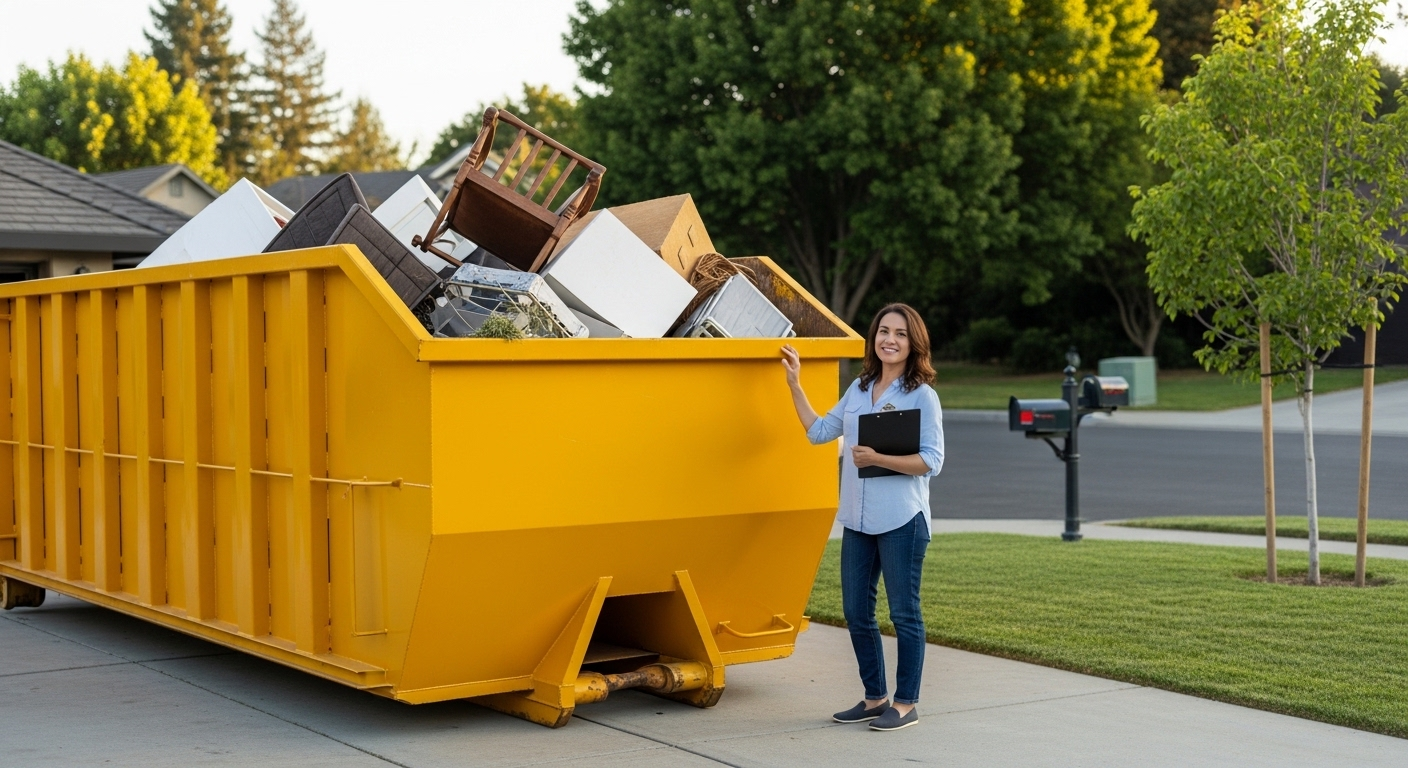
The spring cleaning checklist dumpster method closes this gap by treating disposal capacity as the first requirement, not an afterthought. The dumpster arrives before the project begins, sits on your property throughout the rental period, and provides a clear, visible destination for everything that leaves your home. This single change transforms the psychology and logistics of spring cleaning entirely.
The Three Components of the Spring Cleaning Checklist Dumpster System:
The Checklist A systematic, room-by-room guide that ensures every area of your home is addressed in a logical sequence, with specific criteria for keep, donate, and dispose decisions.
The Dumpster A professional roll-off container sized to your home and project scope, delivered before work begins and available throughout the rental period for continuous disposal.
The Timeline A realistic project schedule that matches your available time, the rental period, and the scope of each room or area on your checklist.
BBP Dumpster, located at 4918 Clayton Rd in Concord, California, provides the dumpster component of this system for Bay Area homeowners. Their team helps you select the right container size for your specific spring cleaning checklist dumpster project and delivers it on your schedule. Contact them at (925) 940-9906 or through their contact page to get started.
Why You Need a Dumpster Before You Start Your Spring Cleaning Checklist
The Disposal Bottleneck Problem
Every spring cleaning project eventually hits the same wall. You are sorting through the garage or basement, making good progress, and then you realize you have created three large piles of items to dispose of and no clear way to remove them. The project stops. The piles sit. The motivation fades.
This is the disposal bottleneck, and it is the primary reason spring cleaning projects fail to reach completion. The spring cleaning checklist dumpster approach eliminates this bottleneck entirely by ensuring disposal capacity is in place before a single item is sorted.
Why Standard Trash Pickup Fails for Spring Cleaning:
- Weekly volume limits prevent large-scale disposal
- Bulky items are often refused or require special scheduling
- Multiple weeks of extended pickup extends the project timeline dramatically
- Items pile up waiting for pickup, creating clutter and frustration
Why Multiple Transfer Station Trips Fail:
- Each trip consumes 2 to 3 hours of project time
- Loading and unloading is physically exhausting
- Multiple trips fragment project momentum
- Total time investment often exceeds 10 to 15 hours
Why the Spring Cleaning Checklist Dumpster Approach Succeeds:
- Disposal capacity is available from day one
- No trips required during the project
- Continuous momentum maintained throughout
- Project completion rate increases dramatically
The Psychology of Having a Dumpster Ready
There is a powerful psychological dimension to the spring cleaning checklist dumpster approach that most homeowners discover only after experiencing it firsthand.
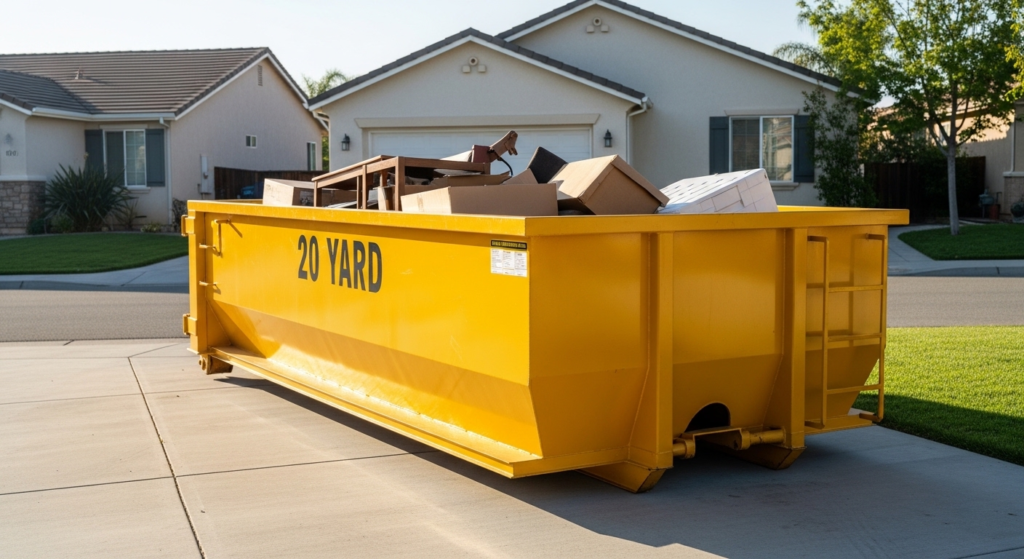
When a dumpster is sitting in your driveway, it creates a visible, tangible commitment to the project. It signals to your brain that this time the project is real, the disposal plan is in place, and there is no reason to hold back. Homeowners consistently report that the presence of a dumpster makes decision-making faster and easier. The question shifts from “where will this go?” to simply “keep or toss?”
Research in behavioral psychology supports this observation. When the path to action is clear and the obstacles are removed, people follow through at significantly higher rates. The spring cleaning checklist dumpster system removes the single biggest obstacle to spring cleaning completion: the disposal problem.
The Complete Spring Cleaning Checklist Dumpster Guide
Pre-Project Checklist: Before the Dumpster Arrives
Complete these tasks in the week before your dumpster delivery to maximize the value of your spring cleaning checklist dumpster project.
Home Assessment
- Walk through every room and area of your home
- Note the accumulation level in each space (light, moderate, heavy)
- Identify large items requiring disposal (furniture, appliances, mattresses)
- Flag any potentially hazardous materials requiring separate disposal
- Estimate total project scope and debris volume
- Identify areas with sentimental items requiring careful decision-making
Donation Preparation
- Research local donation centers and their accepted items
- Schedule donation pickups for the week before dumpster delivery
- Set aside boxes or bags for donation sorting
- Identify items with resale value (online marketplace, garage sale)
- Document high-value donations for tax deduction purposes
Dumpster Booking
- Determine appropriate container size (see sizing guide below)
- Contact BBP Dumpster at (925) 940-9906 for free sizing consultation
- Book delivery for the day before or morning of project start
- Confirm rental period covers your full project timeline
- Arrange driveway protection boards if needed
- Verify overhead clearance and access route
Supplies Gathering
- Heavy-duty trash bags (multiple sizes)
- Cardboard boxes for sorting and donation
- Labels and markers for categorizing items
- Work gloves for handling debris
- Dust masks for attic and basement work
- Cleaning supplies for post-cleanout surfaces
Room-by-Room Spring Cleaning Checklist Dumpster Guide
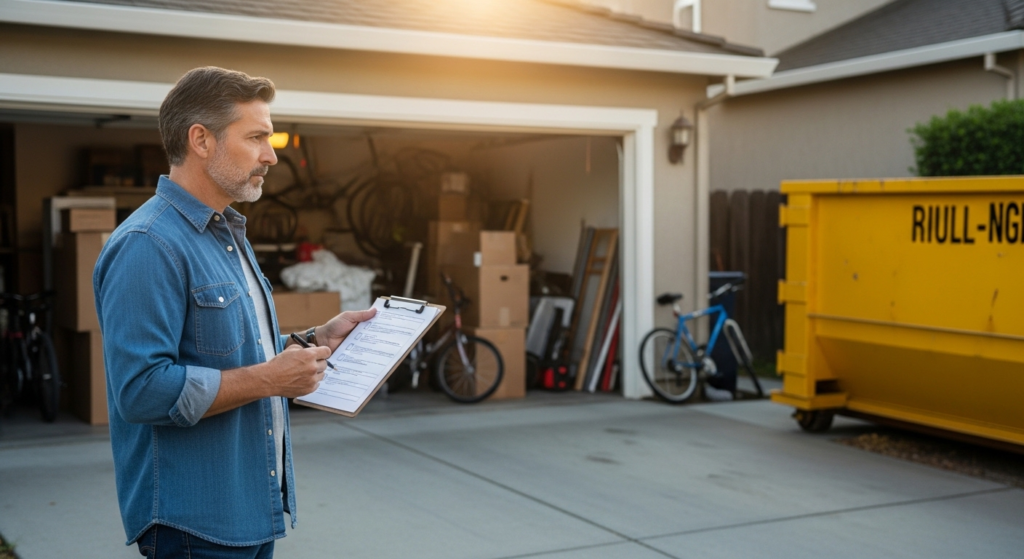
Garage Checklist
The garage is the highest-priority area in most spring cleaning checklist dumpster projects and typically generates the most disposal volume.
Structural and Safety Items
- Remove all items from garage floor completely
- Inspect walls, ceiling, and floor for damage or moisture
- Check for pest evidence (droppings, nesting materials)
- Identify items blocking emergency exits or fire hazards
Tools and Equipment
- Discard broken or irreparable tools
- Donate duplicate tools in working condition
- Dispose of rusted or deteriorated equipment
- Evaluate power tools for function and safety
Automotive and Chemical Items
- Separate old paint, solvents, and chemicals for hazardous waste disposal
- Dispose of empty containers and packaging
- Remove old automotive fluids (separate disposal required)
- Discard expired or deteriorated products
Storage and Miscellaneous
- Empty and evaluate every storage box and container
- Discard boxes that are damaged, moldy, or no longer needed
- Remove seasonal items no longer used
- Dispose of broken furniture stored “for later repair”
Estimated Debris Volume: 1 to 3 tons for a standard two-car garage
Recommended Container: 15-yard for garage-only projects
Basement Checklist
Basements are the primary long-term storage zone in most homes and often contain items that have not been reviewed in years.
Safety and Structural
- Check for water damage, mold, or moisture issues
- Inspect structural elements for visible concerns
- Ensure smoke and carbon monoxide detectors are functional
- Clear pathways to electrical panels and utility shutoffs
Stored Items
- Empty and evaluate every storage container and box
- Discard items damaged by moisture or pests
- Remove furniture stored but never used
- Dispose of outdated electronics and appliances
- Evaluate holiday decorations for continued use
- Remove children’s items from previous life stages
Utility Areas
- Clear area around water heater and HVAC equipment
- Dispose of old filters, parts, and maintenance materials
- Remove accumulated packaging and boxes
- Clear laundry area of unused items
Estimated Debris Volume: 1 to 4 tons depending on accumulation
Recommended Container: 15 to 20-yard for basement-focused projects
Attic Checklist
Attics present unique challenges in the spring cleaning checklist dumpster process due to access limitations and the nature of stored items.
Safety First
- Check for adequate lighting before beginning
- Inspect for pest activity (rodents, insects)
- Check insulation condition and coverage
- Verify structural integrity of flooring
Stored Items
- Remove and evaluate every item stored in the attic
- Discard items damaged by heat, moisture, or pests
- Evaluate holiday and seasonal decorations
- Remove clothing and textiles stored long-term
- Dispose of outdated documents and papers (shred sensitive materials)
- Remove furniture and large items no longer needed
Estimated Debris Volume: 500 pounds to 2 tons depending on accumulation
Recommended Container: 10 to 15-yard for attic-focused projects
Bedroom and Closet Checklist
Bedrooms and closets generate lighter debris but significant volume in clothing, textiles, and personal items.
Clothing and Accessories
- Remove every item from closets and drawers
- Apply the 12-month rule: not worn in a year goes to donate or dispose
- Discard clothing that is damaged, stained, or beyond repair
- Donate clothing in good condition
- Evaluate shoes, bags, and accessories with same criteria
Furniture and Fixtures
- Evaluate each piece of furniture for continued use
- Dispose of furniture that is broken, damaged, or no longer needed
- Remove items stored under beds
- Clear nightstands and dressers of accumulated items
Personal Items
- Review books and media for continued value
- Discard outdated electronics and accessories
- Remove items from previous life stages
- Evaluate sentimental items with honest assessment
Estimated Debris Volume: 200 to 500 pounds per bedroom
Recommended Container: 10-yard for bedroom-focused projects
Kitchen Checklist
Kitchens accumulate duplicate items, outdated appliances, and expired products that take up valuable space.
Pantry and Food Storage
- Remove and check expiration dates on all pantry items
- Discard expired, stale, or unwanted food items
- Evaluate food storage containers for condition and completeness
- Remove duplicate or unused kitchen tools and gadgets
Appliances and Equipment
- Test every small appliance for function
- Donate appliances in working condition but no longer used
- Dispose of broken or irreparable appliances
- Evaluate large appliances for continued use
Cabinets and Drawers
- Empty every cabinet and drawer completely
- Discard chipped, cracked, or broken dishes and glassware
- Donate duplicate cookware and serving pieces
- Remove items stored but never used
Estimated Debris Volume: 100 to 300 pounds for thorough kitchen cleanout
Recommended Container: 10-yard for kitchen-focused projects
Living Areas Checklist
Living rooms, dining rooms, and common areas accumulate furniture, decor, and miscellaneous items over time.
Furniture
- Evaluate every piece of furniture for continued use and condition
- Dispose of furniture that is broken, damaged, or no longer fits the space
- Donate furniture in good condition but no longer needed
- Remove furniture stored in living areas but belonging elsewhere
Decor and Accessories
- Review all decorative items for continued value
- Discard broken, damaged, or outdated decor
- Donate items in good condition but no longer desired
- Remove accumulated items from surfaces and shelves
Media and Electronics
- Evaluate all electronics for function and continued use
- Dispose of outdated electronics through e-waste recycling
- Remove media (DVDs, CDs, books) no longer used
- Donate items in good condition
Estimated Debris Volume: 200 to 800 pounds for living area cleanout
Recommended Container: 10 to 15-yard for living area projects
Yard and Outdoor Checklist
Outdoor areas are often overlooked in spring cleaning but generate significant debris volume.
Yard and Garden
- Remove dead plants, branches, and accumulated debris
- Clear garden beds of winter debris and dead growth
- Dispose of broken or deteriorated garden tools
- Remove old planters, pots, and garden accessories no longer used
Outdoor Furniture and Equipment
- Evaluate outdoor furniture for condition and continued use
- Dispose of furniture that is broken or beyond repair
- Remove old grills, fire pits, and outdoor equipment
- Dispose of broken or deteriorated play equipment
Shed and Storage
- Empty and evaluate shed contents completely
- Dispose of broken tools and equipment
- Remove chemicals and materials requiring separate disposal
- Evaluate seasonal equipment for continued use
Estimated Debris Volume: 500 pounds to 2 tons for outdoor areas
Recommended Container: 10 to 15-yard for outdoor-focused projects
Spring Cleaning Checklist Dumpster: Sizing Guide
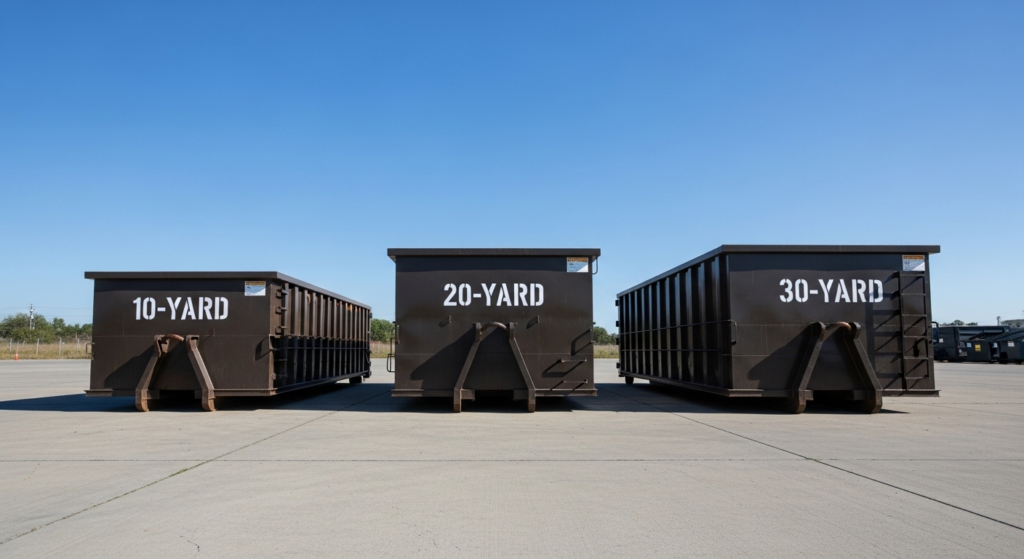
Selecting the right container size is critical to the success of your spring cleaning checklist dumpster project. Here is a comprehensive guide matched to project scope.
Container Size Comparison Table
| Project Scope | Areas Covered | Accumulation Level | Recommended Size | Estimated Cost |
|---|---|---|---|---|
| Focused cleanout | 1-2 rooms | Light to moderate | 10-yard | $300-$425 |
| Standard spring clean | 2-3 bedroom home | Moderate | 15-yard | $350-$475 |
| Comprehensive cleanout | Full home + garage | Moderate to heavy | 20-yard | $400-$575 |
| Estate or whole-house | Full property | Heavy (5+ years) | 30-yard | $500-$750 |
| Garage + basement | Two major areas | Heavy | 15-20 yard | $350-$575 |
| Attic + bedroom | Two moderate areas | Moderate | 10-15 yard | $300-$475 |
How to Estimate Your Debris Volume
Step 1: Count Large Items List every large item you plan to dispose of (furniture, appliances, mattresses). Each large item represents approximately 50 to 200 pounds.
Step 2: Estimate Box Volume Count the number of boxes or bags you expect to fill. Each standard moving box weighs approximately 30 to 50 pounds when filled with household items.
Step 3: Add Structural Debris If your spring cleaning includes any minor renovation or repair debris (old flooring, drywall, lumber), add this to your estimate separately as it is significantly heavier.
Step 4: Apply the Buffer Rule Add 15 to 20% to your total estimate to account for items discovered during the project that were not anticipated during planning.
Step 5: Consult with BBP Dumpster Share your estimate with BBP Dumpster’s team for a professional recommendation. Their experience with spring cleaning checklist dumpster projects means they can identify sizing needs accurately based on your description. Learn more about their approach on their about page.

Common Mistakes in Spring Cleaning Checklist Dumpster Projects
Starting Without the Dumpster in Place
The Mistake: Beginning the spring cleaning project and planning to order a dumpster once you see how much debris accumulates.
The Consequence: Debris piles up with nowhere to go. The project stalls. Items sorted for disposal sit in staging areas for days or weeks. Motivation collapses.
The Solution: Order your dumpster first. Schedule delivery for the day before or the morning of your project start. The spring cleaning checklist dumpster approach only works when the disposal capacity is in place before the first item is sorted.
Using the Checklist Without Prioritizing Disposal
The Mistake: Following the room-by-room checklist but placing all disposal items in bags or boxes rather than directly into the dumpster.
The Consequence: Bags and boxes accumulate throughout the home, creating secondary clutter. Items get reconsidered and returned to storage. The project loses clarity and direction.
The Solution: Load disposal items directly into the dumpster as each room is completed. The physical act of placing items in the container finalizes the decision and prevents second-guessing.
Underestimating Project Scope
The Mistake: Booking a 10-yard container for a project that realistically requires 15 to 20 yards.
The Consequence: Container fills before the project is complete. Second rental required. Project delayed. Additional costs exceed the savings from undersizing.
The Solution: Be honest about your home’s accumulation level during the sizing consultation. If you have not done a thorough cleanout in three or more years, size up. The cost difference between container sizes is typically $50 to $100, far less than the cost of a second rental.
Mixing Prohibited Items with Regular Debris
The Mistake: Placing paint cans, batteries, electronics, or chemicals in the spring cleaning checklist dumpster container.
The Consequence: Contamination fees of $250 to $500. Potential refused pickup. Project delays while prohibited items are removed.
Prohibited Items:
- Paint, stains, varnishes, and solvents
- Batteries of all types
- Electronics and e-waste
- Appliances containing refrigerants
- Motor oil and automotive fluids
- Propane tanks and compressed gas cylinders
- Tires
- Asbestos-containing materials
- Medical waste and sharps
The Solution: Research local hazardous waste disposal options before your project begins. Most California counties offer household hazardous waste collection events or permanent drop-off facilities. Plan separate disposal for these items as part of your pre-project checklist.
Skipping the Donation Step
The Mistake: Disposing of everything in the dumpster without separating donation-worthy items.
The Consequence: Higher disposal costs, missed tax deductions, unnecessary landfill contributions, and the loss of items that could benefit others.
The Solution: Complete donation sorting and scheduling before the dumpster arrives. Goodwill, Salvation Army, Habitat for Humanity ReStores, and local charities accept furniture, clothing, and household items. Document donations for tax deduction purposes. Only items that cannot be donated or recycled should go into the spring cleaning checklist dumpster container.
Real Customer Success Stories
Case Study 1: Concord Family Completes 8-Year Backlog
Project Overview: A family in Concord had accumulated eight years of items across a three-bedroom home, two-car garage, and basement. Previous spring cleaning attempts had stalled at the garage due to disposal logistics.
The Challenge: The family had tried twice before to complete a comprehensive spring cleaning but abandoned both attempts when debris piled up with nowhere to go. They needed a spring cleaning checklist dumpster system that addressed the disposal problem from the start.
BBP Dumpster Solution:
- Free sizing consultation identified 20-yard container as appropriate
- Container delivered Friday afternoon before the project weekend
- 14-day rental period provided comfortable timeline
- BBP Dumpster’s team provided loading guidance for heavy items
Results:
- Entire home and garage cleared in 11 days
- Approximately 5 tons of debris disposed
- 35% of items separated for donation
- Total cost: $545 including all fees
- Family reported completing the project for the first time in eight years
“The difference this time was having the dumpster there before we started. Every other time we got stuck because we had nowhere to put things. With BBP Dumpster’s container in the driveway, we just kept going. It was the most productive weekend we have had in years.” – Homeowner, Concord, CA
Case Study 2: Pleasant Hill Estate Cleanout
Project Overview: A Pleasant Hill resident needed to clear an inherited family home before listing it for sale. The property had accumulated items over 25 years and required a systematic spring cleaning checklist dumpster approach to manage the scope.
The Challenge: The scope was significantly larger than a standard spring cleaning project. The homeowner needed a structured checklist to work through the property systematically and a disposal solution that could handle the volume across multiple weekends.
BBP Dumpster Solution:
- Room-by-room checklist approach recommended by BBP Dumpster team
- 30-yard container for primary cleanout phase
- Second 20-yard container for remaining items and outdoor areas
- Coordinated scheduling between containers for seamless coverage
Results:
- Property fully cleared in four weekends
- Significant furniture and household items donated to local charities
- Property listed and sold within 45 days of completion
- Total waste management cost: $1,275 for both containers
“BBP Dumpster did not just provide a container. They helped me think through the whole project. Their checklist advice and sizing guidance made what felt like an impossible task completely manageable. I cannot recommend them highly enough.” – Homeowner, Pleasant Hill, CA
Check BBP Dumpster’s verified customer reviews on Google and Yelp for additional homeowner experiences with their spring cleaning dumpster services.
Spring Cleaning Checklist Dumpster: Pricing and Planning Guide
Understanding Spring Cleaning Dumpster Rental Costs
Base Pricing Structure:
| Container Size | Capacity | Included Weight | Typical Cost | Best For |
|---|---|---|---|---|
| 10-yard | 3-4 truck loads | 1-2 tons | $300-$425 | 1-2 room cleanout |
| 15-yard | 5-6 truck loads | 2-3 tons | $350-$475 | Standard home cleanout |
| 20-yard | 8-10 truck loads | 3-4 tons | $400-$575 | Large home or estate |
| 30-yard | 12-15 truck loads | 4-5 tons | $500-$750 | Major estate cleanout |
Additional Cost Factors:
- Weight overages: $55 to $80 per ton above included limit
- Extended rental: $15 to $25 per day beyond standard period
- Difficult access surcharge: $50 to $100 for challenging locations
- Street placement permit: $75 to $200 (private property placement typically requires no permit)
Maximizing Value from Your Spring Cleaning Checklist Dumpster Rental
Book Early Spring is peak season for dumpster rental. Book your spring cleaning checklist dumpster in February or early March to secure your preferred delivery date and avoid the April and May rush when availability becomes limited.
Complete Donation Sorting First Reducing your disposal volume through donation sorting before the dumpster arrives can mean the difference between needing a 15-yard and a 20-yard container, saving $50 to $100 on the rental.
Load Efficiently Efficient loading increases effective container capacity by 25 to 35 percent. Break down furniture, flatten boxes, and fill hollow items with smaller debris. This can prevent the need for a second rental on larger projects.
Use the Full Rental Period Do not rush the project to return the container early. The rental period is included in your price. Use every day available to work through your checklist thoroughly rather than leaving areas incomplete.
BBP Dumpster’s transparent pricing ensures you know exactly what your spring cleaning checklist dumpster project will cost before delivery day. Review their terms and conditions for complete pricing details and service terms.
Environmental Responsibility in Your Spring Cleaning Checklist Dumpster Project
Maximizing Diversion from Landfills
A responsible spring cleaning checklist dumpster project prioritizes diversion of materials from landfills through donation, recycling, and proper hazardous waste disposal.
Typical Diversion Opportunities:
- Clothing and textiles: Donate to Goodwill, Salvation Army, or textile recycling programs
- Furniture in good condition: Donate to Habitat for Humanity ReStore or local charities
- Electronics: Recycle through certified e-waste programs
- Metal items: Recycle through scrap metal facilities
- Cardboard and paper: Recycle through curbside programs
- Hazardous materials: Dispose through certified household hazardous waste programs
BBP Dumpster’s Environmental Commitment: BBP Dumpster sorts materials at certified facilities, maximizing recycling and diversion from landfills. Their typical diversion rate for residential spring cleaning loads is 60 to 75%, significantly reducing the environmental impact of your cleanout project. Learn more about their environmental practices on their about page.
California Waste Diversion Requirements
California’s waste management regulations require diversion of recyclable and compostable materials from landfills. Professional spring cleaning checklist dumpster providers like BBP Dumpster maintain compliance with these regulations, providing documentation when needed and ensuring materials are processed at certified facilities.
Check their service areas page to confirm coverage for your location and learn about their compliance practices.
Frequently Asked Questions
What should be on a spring cleaning checklist when using a dumpster?
A spring cleaning checklist dumpster guide should cover every area of your home in a logical sequence: garage, basement, attic, bedrooms and closets, kitchen, living areas, and outdoor spaces. Each area should include specific items to evaluate, criteria for keep versus donate versus dispose decisions, and estimated debris volume. The checklist should be completed before the dumpster arrives so you have a clear project plan from day one.
How big of a dumpster do I need for a spring cleaning checklist project?
Most 2 to 3 bedroom homes need a 15-yard container for a thorough spring cleaning checklist dumpster project. Studio and one-bedroom homes typically need 10-yard containers. Larger homes, properties with significant accumulation, or projects including garage and basement cleanouts need 20-yard containers. BBP Dumpster provides free sizing consultations at (925) 940-9906 based on your home size and project scope.
Should I order the dumpster before or after starting my spring cleaning checklist?
Always order the dumpster before starting your spring cleaning checklist. The spring cleaning checklist dumpster approach only works when disposal capacity is in place before sorting begins. Ordering the dumpster first eliminates the disposal bottleneck that causes most spring cleaning projects to stall. Schedule delivery for the day before or the morning of your project start date.
How long does a spring cleaning checklist dumpster project typically take?
Most spring cleaning checklist dumpster projects take 3 to 10 days depending on home size and accumulation level. A focused single-room cleanout can be completed in a weekend. A comprehensive whole-house cleanout typically takes 7 to 14 days. Standard rental periods of 7 to 14 days accommodate most projects. BBP Dumpster offers extensions at $15 to $25 per day if additional time is needed.
What items from my spring cleaning checklist cannot go in the dumpster?
Items that cannot go in a spring cleaning checklist dumpster include hazardous waste (paint, solvents, chemicals), batteries, electronics requiring e-waste recycling, tires, automotive fluids, propane tanks, appliances with refrigerants, and asbestos-containing materials. These items require separate disposal through certified programs. BBP Dumpster provides a complete prohibited items list during booking and can recommend proper disposal channels for restricted materials.
How much does a spring cleaning checklist dumpster rental cost?
Spring cleaning checklist dumpster rental costs range from $300 to $575 for standard residential projects depending on container size. A 10-yard container costs $300 to $425, a 15-yard costs $350 to $475, and a 20-yard costs $400 to $575 for standard 7 to 14-day rentals. Prices include delivery, pickup, and disposal within weight limits. Contact BBP Dumpster at (925) 940-9906 for an accurate quote based on your specific project.
Conclusion
The spring cleaning checklist dumpster approach is not simply a combination of two tools. It is a fundamentally better way to tackle the most common and most commonly abandoned home improvement project of the year. By treating disposal capacity as the first requirement rather than an afterthought, and by following a systematic room-by-room checklist that ensures every area of your home is addressed, you transform spring cleaning from an overwhelming annual intention into a completed, satisfying project.
The key takeaways from this complete spring cleaning checklist dumpster guide include:
- Order the dumpster before starting the project, not after debris accumulates
- Complete donation sorting and scheduling before delivery day
- Follow the room-by-room checklist in a logical sequence starting with the highest-priority areas
- Choose container size based on honest assessment of home size and accumulation level
- Load disposal items directly into the container as each room is completed
- Keep prohibited items out of the container to avoid contamination fees
- Use the full rental period to work through the checklist thoroughly
- Maximize diversion through donation, recycling, and proper hazardous waste disposal
Whether you are tackling a focused garage cleanout in Concord, a comprehensive whole-house declutter in Pleasant Hill, a basement overhaul in Walnut Creek, or a full estate cleanout anywhere in the Bay Area, the spring cleaning checklist dumpster system from BBP Dumpster gives you the structure and the capacity to finally complete the project.
BBP Dumpster’s combination of local expertise, transparent pricing, free sizing consultations, and genuine commitment to customer success makes them the trusted partner for Bay Area homeowners who are serious about making this spring their most productive one yet.
Ready to start your spring cleaning the right way, with a plan and a dumpster in place before the first item is sorted? Contact BBP Dumpster today at (925) 940-9906 or visit their contact page for a free spring cleaning checklist dumpster consultation and quote. Their experienced team will assess your project scope, recommend the optimal container size, and schedule delivery that sets your spring cleaning up for complete success.
Do not let another spring pass with the same clutter and the same incomplete project. Book your spring cleaning checklist dumpster today and experience the transformation that comes from finally finishing what you started. Learn more about BBP Dumpster’s comprehensive services and their commitment to the Bay Area community on their about page.
Review their privacy policy for complete service details and take the first step toward your cleanest, most organized home yet.
Company Information
BBP Dumpster
Address: 4918 Clayton Rd, Concord, CA 94521, United States
Phone: (925) 940-9906
Email: bbpdumpster@gmail.
Office Hours: 9 AM to 5 PM Monday through Friday, 9 AM to 2 PM Saturday