

Did you know that the average American homeowner spends between $1,000 and $5,000 on home repairs every spring? Winter is relentless on residential properties. Freezing temperatures, heavy rain, and sustained wind leave behind a long list of damage that only becomes fully visible once the weather warms up. If you have been putting off a thorough inspection of your property, now is the time to act — before small problems grow into expensive emergencies that derail your entire summer.
A proper spring home repair assessment dumpster strategy is not just about identifying what is broken. It is about having a clear, organized plan to remove debris, manage waste efficiently, and complete repairs before summer arrives and contractor schedules fill up completely. Whether you are dealing with roof damage, rotted deck boards, cracked foundations, or overgrown landscaping that accumulated all winter, this guide walks you through every step of the process from start to finish.
The spring home repair assessment dumpster approach combines two critical elements: a systematic property inspection and a reliable waste removal plan. When these two elements work together, your project stays on schedule, your property stays safe, and your budget stays under control.
Continue reading to discover how to conduct a complete spring home repair assessment, what to look for in every area of your home, how to manage the waste it generates, and why renting a dumpster from a trusted local provider like BBP Dumpster in Concord, CA can make the entire process faster, cleaner, and significantly more cost-effective.

What Is a Spring Home Repair Assessment Dumpster Strategy?
A spring home repair assessment dumpster strategy combines two essential components of seasonal home maintenance into one coordinated plan. The first component is the assessment itself — a systematic, room-by-room and zone-by-zone inspection of your entire property to identify damage caused by winter weather. The second component is the dumpster rental — a pre-planned waste removal solution that ensures every piece of debris generated by your repairs has a designated place to go from the moment work begins.
Most homeowners treat these two elements separately, which creates inefficiency. They complete their inspection, call contractors, watch debris pile up in the yard, and then scramble to arrange waste removal after the fact. The spring home repair assessment dumpster approach flips this sequence. You plan your waste removal at the same time you plan your repairs, so the dumpster is on-site and ready when the first contractor arrives.
This integrated approach is especially valuable in regions like Concord, CA and the broader East Bay area, where wet winters followed by hot, dry summers create a compressed repair window. Homeowners who execute a spring home repair assessment dumpster plan in March and April consistently finish repairs faster and at lower cost than those who improvise as they go.
Why Winter Causes More Damage Than Most Homeowners Expect
Winter weather attacks your home from multiple directions simultaneously, and the cumulative effect is almost always worse than it appears from the inside. Here is what typically happens to a residential property during a California winter:
- Freeze-thaw cycles crack concrete driveways, walkways, and foundation walls
- Ice dams form along roof eaves, forcing water under shingles and into attic spaces
- Heavy rain saturates soil around the foundation, causing hydrostatic pressure and basement moisture intrusion
- Wind strips caulking from window and door frames, reducing energy efficiency and allowing water infiltration
- Debris accumulates in gutters and downspouts, blocking drainage and causing overflow that damages siding and fascia boards
- Sustained moisture exposure causes wood decking, fencing, and exterior trim to rot from the inside out
Each of these issues generates physical waste — broken materials, waterlogged insulation, damaged wood, cracked concrete — that must be removed before repairs can begin. That is precisely where a spring home repair assessment dumpster rental becomes not just convenient but essential to keeping your project moving forward.
The Complete Spring Home Repair Assessment Checklist
Use this checklist to conduct your spring home repair assessment systematically. Work from the top of your home downward to the foundation, then move outward to the exterior zones and landscaping. Document every finding with photos and notes so you can share accurate information with contractors and your dumpster rental provider.
1. Roof and Attic Inspection
Start at the top. Your roof absorbs more punishment during winter than any other system in your home, and it is the most expensive to repair when damage is ignored long enough to cause cascading problems.
What to check:
- Missing, cracked, curling, or buckling shingles
- Damaged or displaced flashing around chimneys, skylights, and roof vents
- Signs of ice dam damage along the eaves and in the attic
- Sagging or uneven roof lines indicating structural stress
- Attic insulation that is wet, compressed, discolored, or showing mold growth
- Ventilation blockages in soffits and ridge vents that trap moisture
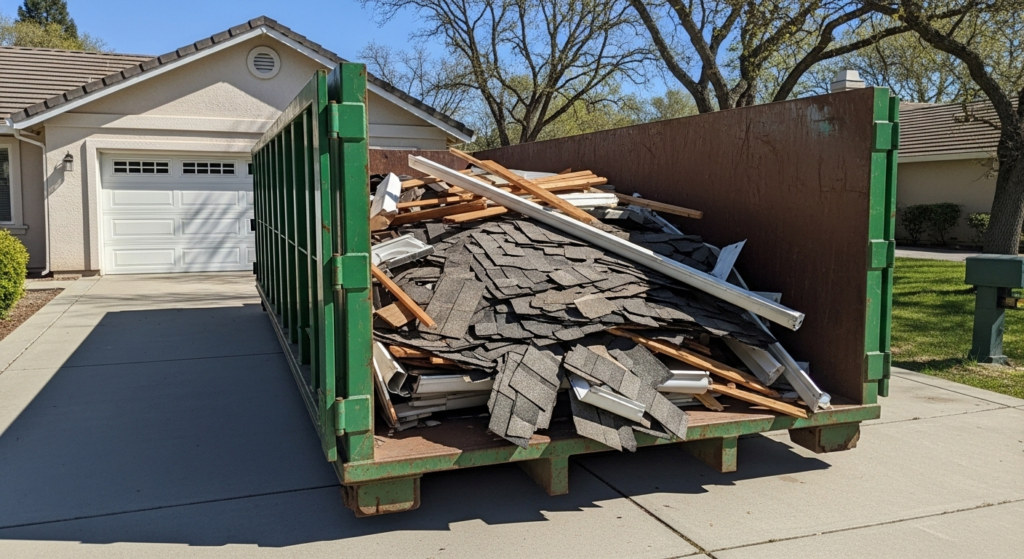
If you find damaged shingles, rotted roof decking, or compromised insulation, those materials need to come out completely before new roofing goes in. A spring home repair assessment dumpster rental gives you a designated place to dispose of old roofing materials without cluttering your driveway or yard for weeks.
2. Gutters and Downspouts
Gutters are among the most overlooked systems during spring inspections, yet they play a critical role in protecting your foundation, siding, and landscaping from water damage.
What to check:
- Gutters pulling away from the fascia board due to ice weight or debris accumulation
- Cracks, holes, or rust spots in gutter channels
- Downspouts that are disconnected, crushed, or directing water toward the foundation
- Debris buildup from fall leaves, winter storms, and bird nesting activity
- Staining or rot on siding directly below gutters, indicating chronic overflow
Cleaning gutters in spring generates a surprising volume of debris — compacted leaves, twigs, sediment, and sometimes small animal nests. All of it goes directly into your rental dumpster so you can move on to the next inspection zone without interruption.
3. Foundation and Basement
Your foundation is the most critical structural element of your entire home. Winter moisture and freeze-thaw cycles are its primary enemies, and damage left unaddressed compounds rapidly.
What to check:
- Horizontal or stair-step cracks in concrete or block foundation walls
- Efflorescence — white mineral deposits on concrete surfaces — indicating water infiltration
- Bowing or bulging basement walls suggesting lateral soil pressure
- Standing water, persistent dampness, or musty odors in the basement or crawl space
- Gaps where the foundation meets the sill plate, allowing air and moisture infiltration
Minor cracks can often be sealed with hydraulic cement or epoxy injection. Major structural issues require a licensed foundation specialist. Either way, the debris from foundation repairs — broken concrete, old waterproofing membranes, damaged insulation — needs a proper disposal solution that a spring home repair assessment dumpster rental provides efficiently.
4. Windows, Doors, and Exterior Caulking
Cold temperatures cause caulking and weatherstripping to shrink, crack, and separate from surfaces, creating air leaks and moisture entry points that drive up energy bills and invite water damage.
What to check:
- Cracked, missing, or discolored caulking around all window and door frames
- Fogged, cracked, or broken double-pane glass indicating seal failure
- Warped or swollen door frames that prevent proper sealing and latching
- Damaged or torn window screens
- Peeling paint on exterior trim, which indicates moisture is trapped beneath the surface
Replacing windows or exterior doors generates significant debris — old frames, broken glass, removed trim, and deteriorated weatherstripping. Your spring home repair assessment dumpster rental handles all of it in one centralized location.
5. HVAC System and Ductwork
Your heating and cooling system worked continuously through winter. Spring is the ideal time to inspect it thoroughly before summer cooling demands begin and service appointments become difficult to schedule.
What to check:
- Air filter condition — replace if clogged or discolored
- Outdoor condenser unit for debris accumulation, bent fins, or physical damage
- Ductwork for disconnected sections, visible damage, or pest intrusion
- Thermostat calibration and responsiveness across all zones
- Carbon monoxide and smoke detector battery replacement and function testing
For HVAC work, always hire a licensed HVAC technician. The U.S. Department of Energy recommends annual professional inspections for central air systems. Learn more about HVAC maintenance from Energy.
6. Plumbing and Water Heater
Frozen pipes are one of the most common and costly winter home emergencies. Even if your pipes did not burst visibly, they may have sustained micro-cracks that will fail under spring water pressure.
What to check:
- All exposed pipes for cracks, corrosion, joint separation, or discoloration
- Water heater for rust, sediment buildup, unusual noises, or reduced output
- Outdoor hose bibs for freeze damage — turn them on slowly and check for leaks
- Sump pump operation — test it before spring rains arrive by pouring water into the pit
- Crawl space pipes for insulation damage or displacement
7. Deck, Patio, and Outdoor Structures
Wood decks and patios absorb moisture throughout winter, leading to rot, warping, fastener corrosion, and structural weakness that creates genuine safety hazards.
What to check:
- Deck boards for soft spots, visible rot, significant warping, or surface splintering
- Ledger board connection to the house — this is the most critical structural point on any attached deck
- Deck posts and footings for heaving, settling, or rot at ground contact points
- Fence posts for leaning, cracking, or rot at the soil line
- Patio pavers or concrete slabs for cracking, heaving, or significant settling
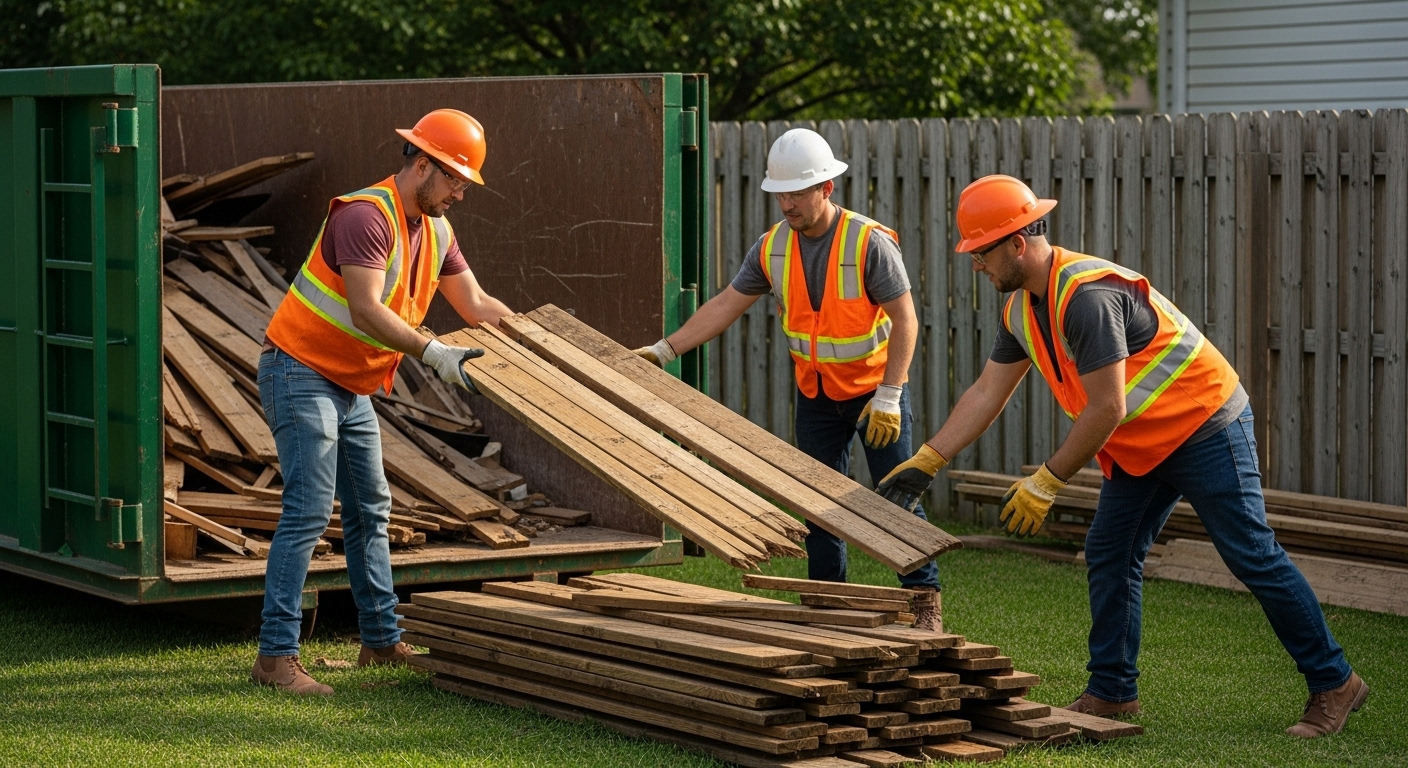
Replacing deck boards or fence sections creates a substantial pile of old lumber, corroded fasteners, and broken concrete that needs proper disposal. A spring home repair assessment dumpster rental makes this cleanup straightforward and keeps your yard clear throughout the project.
Why a Spring Home Repair Assessment Dumpster Rental Is Non-Negotiable
Here is a reality most homeowners discover the hard way: the most challenging part of spring home repairs is rarely the work itself — it is managing the waste that the work generates.
A single productive weekend of spring repairs can produce hundreds of pounds of debris. Old shingles, broken concrete, rotted lumber, torn-out insulation, and accumulated yard waste pile up faster than most people anticipate. Without a pre-planned disposal solution, that debris sits in your yard, creates tripping hazards, slows contractor progress, and can attract pests.
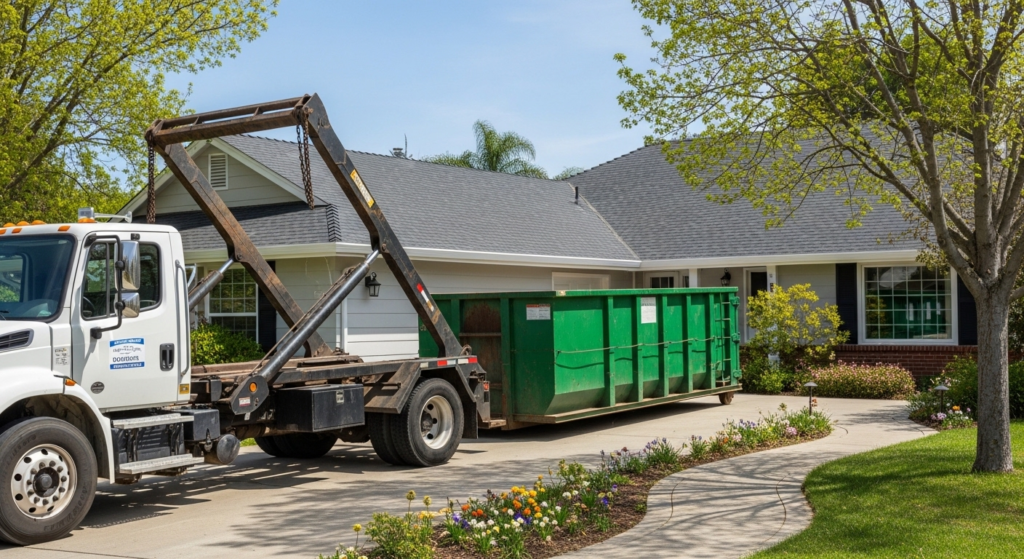
A spring home repair assessment dumpster rental eliminates this problem entirely. A large roll-off container is delivered directly to your driveway, you fill it at your own pace throughout the project, and it is hauled away when you are done. No trips to the landfill. No renting a pickup truck. No debris accumulating in your yard for weeks while you figure out what to do with it.
This is why the spring home repair assessment dumpster approach is not just a convenience — it is a fundamental part of running an efficient, safe, and cost-effective home repair project.
How Much Debris Does a Typical Spring Assessment Generate?
| Repair Type | Estimated Debris Volume | Recommended Dumpster Size |
|---|---|---|
| Roof replacement (1,500 sq ft) | 3–5 tons | 20–30 yard dumpster |
| Deck replacement (400 sq ft) | 1–2 tons | 10–15 yard dumpster |
| Basement waterproofing | 0.5–1 ton | 10 yard dumpster |
| Full spring cleanup (yard + minor repairs) | 0.5–1.5 tons | 10–15 yard dumpster |
| Window and door replacement (whole house) | 0.5–1 ton | 10 yard dumpster |
| Major renovation (multiple systems) | 3–8 tons | 30–40 yard dumpster |
| Foundation crack repair and drainage work | 1–3 tons | 15–20 yard dumpster |
Not sure which size fits your project? The team at BBP Dumpster in Concord, CA can help you choose the right container based on your specific repair scope. They serve Concord and the surrounding East Bay communities — check the full service area here.
How to Plan Your Spring Home Repair Assessment Dumpster Rental Step by Step
Planning your dumpster rental in parallel with your repair assessment is the most effective way to keep your project on schedule and within budget. Here is a detailed step-by-step approach that experienced homeowners and contractors use consistently.
Step 1: Complete Your Full Assessment Before Ordering
Walk through your entire inspection checklist before contacting a dumpster company. You need a clear picture of your repair scope before you can accurately estimate how much debris you will generate. Ordering too small a dumpster results in overflow fees and project delays. Ordering too large means paying for unused capacity. A thorough spring home repair assessment dumpster plan starts with accurate information.
Step 2: Prioritize Repairs by Urgency and Impact
Not every repair needs to happen simultaneously. Organize your findings into three clear categories:
- Urgent — structural damage, active water intrusion, safety hazards: Address within 30 days
- Important — energy efficiency losses, moisture risk, functional failures: Address within 60–90 days
- Cosmetic — paint, landscaping, minor trim, aesthetic improvements: Address when budget allows
This prioritization helps you schedule your spring home repair assessment dumpster rental around the most debris-intensive work phases rather than ordering a container before you are ready to fill it.
Step 3: Get Multiple Contractor Quotes Early
Spring is the busiest season for roofing, foundation, and general contractors. If you complete your spring home repair assessment in March but wait until May to call contractors, you may not get an appointment until July. Contact at least three licensed contractors for each major repair category and schedule work as early as possible.
For contractor discovery and cost benchmarking, resources like HomeAdvisor and Angi provide vetted local professionals and realistic cost estimates for your area.
Step 4: Schedule Your Dumpster Delivery Strategically
Contact your dumpster rental provider at least three to five business days before your project start date. Confirm the delivery location — typically your driveway — and verify that there is adequate clearance for the delivery truck. Discuss your estimated rental period upfront so you are not paying for days when the container is sitting empty.
BBP Dumpster serves Concord, CA and surrounding East Bay communities with flexible scheduling and transparent pricing. You can reach them directly at (925) 940-9906 or request a quote online here. Office hours are Monday through Friday 9 AM to 5 PM and Saturday 9 AM to 2 PM.
Step 5: Know What You Can and Cannot Dispose Of
Understanding what materials are accepted in your spring home repair assessment dumpster rental prevents costly mistakes and potential fines.
Most dumpster rentals accept:
- Construction debris including wood, drywall, and roofing materials
- Yard waste including branches, sod, and dirt in limited quantities
- Old furniture and non-electronic appliances
- Concrete and masonry in limited quantities depending on container size
Most dumpster rentals do not accept:
- Hazardous materials including paint, solvents, and asbestos-containing materials
- Electronics and e-waste
- Tires and automotive fluids
- Batteries and propane tanks
Review the complete BBP Dumpster terms and conditions for a full list of accepted and prohibited materials before you begin loading your container.
Step 6: Load Your Dumpster Strategically to Maximize Capacity
Load heavy, dense materials first — concrete, brick, tile, and soil go on the bottom of the container. Lighter materials like lumber, drywall, and yard waste go on top. Break down large items whenever possible to maximize usable space. Never load materials above the rim of the container, as this creates safety hazards during transportation and may result in additional fees.
Real Customer Experiences: What Concord Homeowners Are Saying About BBP Dumpster
Hearing from real customers provides the most accurate picture of what to expect from a professional dumpster rental service. Here is what homeowners in the Concord area have shared about their experience working with BBP Dumpster on spring home repair projects.
“BBP Dumpster made our spring renovation so much easier. We had a ton of old roofing materials and deck boards to get rid of, and they delivered the dumpster right on time and picked it up the same day we called. Pricing was fair and the team was professional from start to finish.” — Google Review, 5 stars
“I used BBP Dumpster for a spring cleanup that turned into a full bathroom gut job. They helped me figure out the right size dumpster for the project and were flexible when I needed an extra day. Highly recommend for any home repair project in the area.” — Yelp Review, 5 stars
“Great local company. Easy to book, showed up exactly when they said they would, and the driver was careful with our driveway. Will definitely use them again for our summer deck project.” — Google Review, 5 stars
“We had a major spring home repair assessment dumpster situation after discovering roof and foundation issues at the same time. BBP Dumpster helped us coordinate two separate container deliveries and made the whole process manageable. Could not have done it without them.” — Google Review, 5 stars
You can read more verified reviews and confirm their reputation on Google Maps and Yelp.
Common Mistakes Homeowners Make During Spring Home Repair Assessments
Avoiding these mistakes can save you thousands of dollars, weeks of frustration, and significant stress during what should be a productive and satisfying season.
Mistake 1: Skipping the Roof Inspection Entirely
Many homeowners inspect everything at eye level and never look up. Roof damage is the most expensive system failure when ignored and the most likely to cause cascading damage to ceilings, walls, insulation, and structural framing. Use binoculars from the ground or hire a licensed roofer for a professional inspection if you are not comfortable on a ladder.
Mistake 2: Underestimating Debris Volume Significantly
Homeowners consistently underestimate how much waste their spring repairs will generate. A single roof replacement on a 1,500 square foot home produces three to five tons of old shingles, underlayment, and nails. A deck rebuild generates more lumber than most people expect. Always order a slightly larger spring home repair assessment dumpster than you think you need — the cost difference is minimal compared to overflow fees.
Mistake 3: Waiting Too Long to Schedule Contractors
Spring is the busiest season for every trade contractor. If you complete your spring home repair assessment in March but wait until May to call a roofer or foundation specialist, you may not get a scheduled appointment until July or August. Complete your assessment early and call contractors immediately.
Mistake 4: Painting Over Moisture Damage Without Finding the Source
Water damage is deceptive. A small stain on a ceiling or wall can indicate a much larger problem inside the wall cavity, attic, or crawl space. Painting over moisture stains without identifying and eliminating the source guarantees the problem will return — and will be worse the next time you find it.
Mistake 5: Disposing of Hazardous Materials in a Standard Dumpster
Old paint, solvents, asbestos-containing materials, and other hazardous substances cannot go in a standard spring home repair assessment dumpster rental. Improper disposal creates legal liability for the homeowner and causes environmental harm. In Contra Costa County, the Household Hazardous Waste Program offers free drop-off events throughout the year for residents.
Mistake 6: Not Documenting Findings With Photos
Every issue you find during your spring home repair assessment should be photographed immediately. Photos help contractors provide accurate quotes, support insurance claims if applicable, and give you a before-and-after record of your repairs. Use your smartphone and organize photos by zone — roof, foundation, deck, and so on.
Local Spotlight: Spring Home Repairs in Concord, CA and the East Bay
Concord homeowners face specific environmental challenges that make a thorough spring home repair assessment especially important and time-sensitive. The region experiences wet winters with significant rainfall from Pacific storm systems, followed by hot, dry summers that can exceed 100 degrees Fahrenheit. This dramatic seasonal swing creates ideal conditions for:
- Foundation movement due to expansive clay soil that swells when wet and shrinks when dry
- Roof damage from winter storms rolling in from the San Francisco Bay
- Deck and fence deterioration from sustained moisture exposure followed by rapid drying
- Gutter overflow from heavy rain events that overwhelm clogged drainage systems
- Pest intrusion through gaps created by winter moisture damage
Neighborhoods near Clayton Road, Ygnacio Valley Road, Monument Boulevard, and the Concord BART corridor see consistent demand for spring repair services every year. If you live in Concord, Pleasant Hill, Walnut Creek, Martinez, or the surrounding East Bay communities, BBP Dumpster is positioned to serve your spring home repair assessment dumpster needs quickly, reliably, and at competitive pricing.
Check the full BBP Dumpster service area coverage to confirm availability in your specific neighborhood before scheduling.
Recommended Tools and Resources for Your Spring Home Repair Assessment
Having the right tools makes your spring home repair assessment faster, more accurate, and better documented. Here is what experienced homeowners and professional inspectors use.
Physical Inspection Tools
- Binoculars — for safe roof inspection from ground level
- Flashlight or rechargeable headlamp — for attic, crawl space, and basement inspection
- Moisture meter — detects hidden water damage inside walls, floors, and ceilings
- Level — checks for foundation settling, floor slope, and structural movement
- Sturdy ladder — for gutter and eave inspection, always used with a spotter present
- Smartphone with camera — for documenting every finding with dated photos
- Notepad or digital inspection app — for organizing findings by zone and priority
Digital Tools and Planning Resources
- Houzz — for project planning, design inspiration, and contractor discovery (houzz.com)
- HomeAdvisor — for finding vetted local contractors and reading verified reviews (homeadvisor.com)
- Angi — for cost estimates, contractor reviews, and project booking (angi.com)
- Google Keep or Notion — for organizing your repair checklist, budget, and contractor contacts
Professional Services to Schedule in Spring
- Licensed roofing contractor for professional roof inspection and repair
- Foundation specialist for any structural cracks or moisture intrusion
- Licensed electrician for any electrical panel, wiring, or outlet concerns
- HVAC technician for pre-summer system tune-up and filter replacement
- BBP Dumpster for debris removal and waste management throughout your project — (925) 940-9906
Spring Home Repair Assessment Dumpster: A Real Concord Case Study
A homeowner on Clayton Road in Concord, CA contacted BBP Dumpster in early April after completing a spring home repair assessment that revealed more winter damage than anticipated. The assessment uncovered four distinct problem areas:
- Damaged roof shingles along the north-facing slope with evidence of ice dam infiltration
- Severely rotted deck boards on a 400 square foot rear deck with compromised ledger board connection
- Clogged gutters causing chronic overflow and significant siding staining on the west elevation
- A cracked concrete front walkway from repeated freeze-thaw cycling over two winters
The homeowner estimated the project would generate approximately two tons of mixed debris. After discussing the scope with the BBP Dumpster team, a 15-yard container was recommended and delivered to the driveway on a Monday morning. By Thursday, the roofing crew had completed full tear-off and replacement, the deck boards and ledger board were replaced, the gutters were cleaned and resealed, and the walkway was broken up and removed. The dumpster was picked up Friday afternoon.
Total debris: approximately 1.9 tons. Total rental period: five days. The homeowner avoided four separate landfill trips, kept the project on schedule, and had the property fully ready for summer entertaining by the second week of April.
This is the efficiency that a well-planned spring home repair assessment dumpster rental delivers when the logistics are coordinated from the beginning rather than improvised after the fact.
Frequently Asked Questions About Spring Home Repair Assessment Dumpster Rentals
Q: What size dumpster do I need for a spring home repair assessment cleanup?
For most residential spring cleanups involving minor to moderate repairs, a 10 to 15-yard dumpster is sufficient. If you are replacing a roof, doing a full deck rebuild, or tackling multiple major systems simultaneously, a 20 to 30-yard container is more appropriate. Contact BBP Dumpster for a personalized recommendation based on your specific project scope and debris estimate.
Q: How long can I keep a rental dumpster during my spring home repairs?
Rental periods vary by provider, but most companies offer 7 to 14-day standard rentals. BBP Dumpster offers flexible rental periods designed to accommodate your project timeline without unnecessary pressure. Call (925) 940-9906 to discuss your specific needs and schedule.
Q: Can I put yard waste and construction debris in the same dumpster?
In most cases, yes — you can mix yard waste and construction debris in a standard roll-off dumpster. However, certain materials like soil, concrete, and heavy masonry may have weight limits that affect your total cost. Review the complete BBP Dumpster terms and conditions for specific material guidelines before loading.
Q: When is the best time to schedule a spring home repair assessment?
The ideal window is late February through early April, before contractor schedules fill up completely and before spring rains create additional damage on top of existing winter issues. Completing your spring home repair assessment dumpster plan early gives you time to get multiple contractor quotes and schedule work at competitive prices before peak season demand drives costs up.
Q: Is a spring home repair assessment dumpster rental worth the cost for a small project?
Absolutely. The cost of a dumpster rental — typically $300 to $600 for a standard residential project — is minimal compared to the time, fuel, and physical effort of making multiple landfill trips yourself. It also keeps your property organized and safe throughout the repair process, which can actually accelerate contractor work and reduce overall labor costs.
Q: How do I find a reliable dumpster rental company near me in Concord, CA?
Start by checking Google reviews and Yelp ratings for local providers. BBP Dumpster has established a strong reputation in Concord and the East Bay for reliable delivery, transparent pricing, and responsive customer service. You can verify their reviews on Google Maps and Yelp before booking.
Conclusion: Your Spring Home Repair Assessment Dumpster Plan Starts Today
Winter damage does not fix itself, and it does not stay contained. Every week you delay your spring home repair assessment, small problems grow into expensive emergencies that disrupt your summer, strain your budget, and reduce the long-term value of your property.
A thorough spring home repair assessment dumpster strategy gives you the information, the plan, and the logistical support you need to address winter damage efficiently and completely before summer arrives. When you combine a systematic property inspection with a pre-planned dumpster rental, you eliminate the two biggest obstacles to a successful spring repair season: not knowing what needs to be fixed and not having a place to put the debris once work begins.
Here are the key takeaways from this complete guide:
- Inspect your roof, gutters, foundation, windows, HVAC, plumbing, and all outdoor structures every spring without exception
- Prioritize repairs by urgency to manage your budget and contractor schedule effectively
- Plan your spring home repair assessment dumpster rental before work begins — not after debris starts accumulating
- Choose the right dumpster size based on your estimated debris volume using the comparison table in this guide
- Avoid the six most common mistakes: skipping the roof, underestimating debris, waiting too long, ignoring moisture sources, improper hazardous waste disposal, and failing to document findings
- Use trusted local resources like BBP Dumpster to handle waste removal so you can focus on the repairs themselves
If you are in Concord, CA or the surrounding East Bay area, BBP Dumpster is your local partner for fast, reliable, and affordable spring home repair assessment dumpster rental services. Their team understands the specific challenges of post-winter repairs in the region and is ready to help you manage debris efficiently from the first day of your project to the last.
Ready to start your spring home repair assessment in Concord? Contact BBP Dumpster today for a free quote and get the right dumpster delivered directly to your door before your project begins.
Call (925) 940-9906, email bbpdumpster@gmail.
BBP Dumpster — Concord, CA 4918 Clayton Rd, Concord, CA 94521 Phone: (925) 940-9906 Email: bbpdumpster@gmail.