Wondering how to dispose appliances California rules actually require? You are not alone. Every year, thousands of Concord and Bay Area homeowners replace a refrigerator, a washer, or a dishwasher and then get stuck on the same question: what happens next, and how to dispose appliances California law says is acceptable. This guide walks through every step, from sorting out what you have to scheduling a certified pickup, so you never have to guess again. Continue reading to discover how to dispose appliances California residents rely on every day, including the exact rules your city enforces and the safest channels available near Concord.
What Counts as an Appliance for Disposal Purposes in California
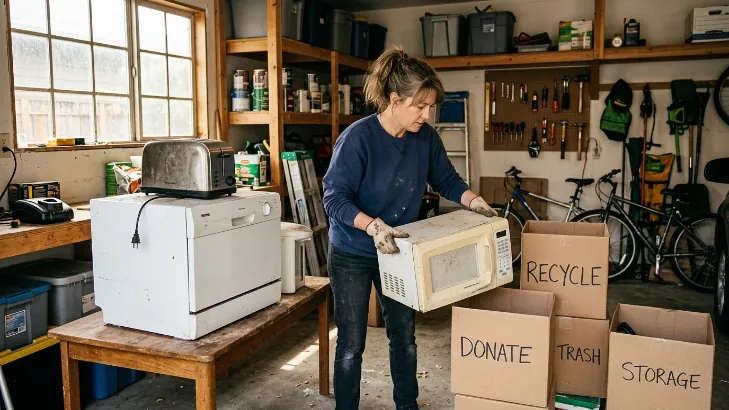
Before you can figure out how to dispose appliances California regulators recognize, it helps to know what actually falls under this category. Major household appliances, sometimes called “white goods,” include refrigerators, freezers, stoves, ovens, washers, dryers, and dishwashers. A second group, refrigerant-bearing appliances, includes refrigerators, chest freezers, window air conditioners, portable air conditioners, dehumidifiers, and wine coolers. A third group covers small appliances and countertop electronics, such as microwaves, toasters, coffee makers, and space heaters, many of which fall under the state’s universal waste and covered electronic waste rules once they contain circuit boards, batteries, or mercury switches.
Each of these categories has a different disposal pathway, which is exactly why learning how to dispose appliances California residents are required to follow matters so much. A microwave and a chest freezer are not handled the same way, and mixing them up can create a compliance headache or, worse, a safety hazard at the curb. Water heaters and furnaces sit in their own category as well, since they combine metal recycling value with occasional gas-line or combustion considerations that a general hauler may need advance notice about before pickup day. Even a garbage disposal or a built-in microwave counts once it is removed during a remodel, and knowing how to dispose appliances California building codes touch on can save a contractor an extra trip to a transfer station later.
Why California Has Strict Rules for Appliance Disposal
California treats old appliances as more than bulky trash. Refrigerators, freezers, and window air conditioners contain refrigerants regulated under Section 608 of the federal Clean Air Act, and the release of those refrigerants into the atmosphere is prohibited by federal law. The California Department of Toxic Substances Control also classifies many electronic components inside modern appliances as universal waste, meaning they cannot simply be placed in a standard trash bin. Local haulers and transfer stations are required to reject appliances that have not had refrigerant properly recovered by a certified technician, which is one more reason knowing how to dispose appliances California expects is so important before you move an old unit to the curb.
Beyond the legal side, proper disposal keeps usable steel, copper, aluminum, and glass out of the landfill. A single refrigerator can contain more than a hundred pounds of recyclable metal once the refrigerant and insulating foam have been safely removed. Statewide diversion goals under California’s broader waste reduction laws also push cities and counties to keep bulky items like appliances out of landfill space wherever a recycling or reuse pathway exists, which is part of why every jurisdiction in Contra Costa County treats this category differently than ordinary household trash and why residents keep searching for clear guidance on how to dispose appliances California cities expect them to follow.
How to Dispose Appliances California: A Step-by-Step Process
This section breaks the process down into five manageable steps, so you always know exactly how to dispose appliances California authorities expect, without missing a compliance requirement along the way.
Step 1: Identify What You Are Getting Rid Of
Start by separating your items into three groups: appliances with refrigerant, major appliances without refrigerant, and small electronic appliances. This single sorting step determines almost everything else about how to dispose appliances California residents are dealing with, since each group follows a different path from your home to final processing. Take a moment to note the brand, approximate age, and whether the unit still powers on, since this information often speeds up scheduling with a certified hauler or recycler.
Step 2: Handle Refrigerants and Hazardous Components First
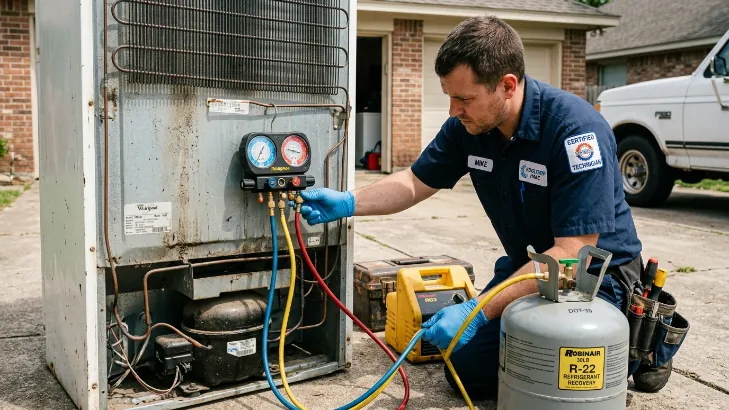
If your appliance contains refrigerant, it must be recovered by a certified technician using approved recovery equipment before the unit can be scrapped or recycled. Never attempt to cut refrigerant lines yourself, and never puncture a compressor to speed things along. This single requirement is the backbone of how to dispose appliances California law treats as non-negotiable, and it is the step most homeowners overlook until a hauler turns them away at the curb.
Step 3: Choose the Right Disposal Channel
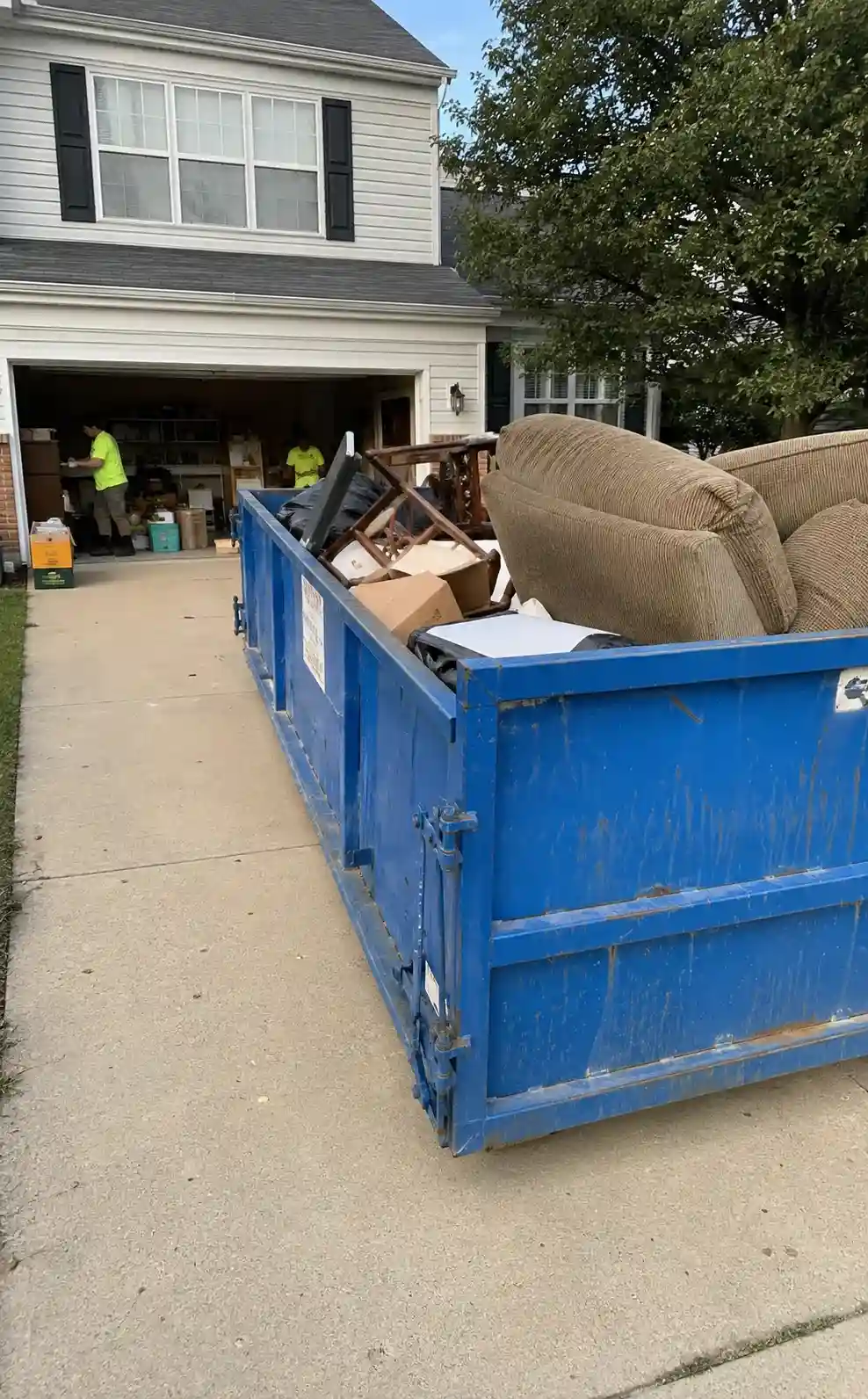
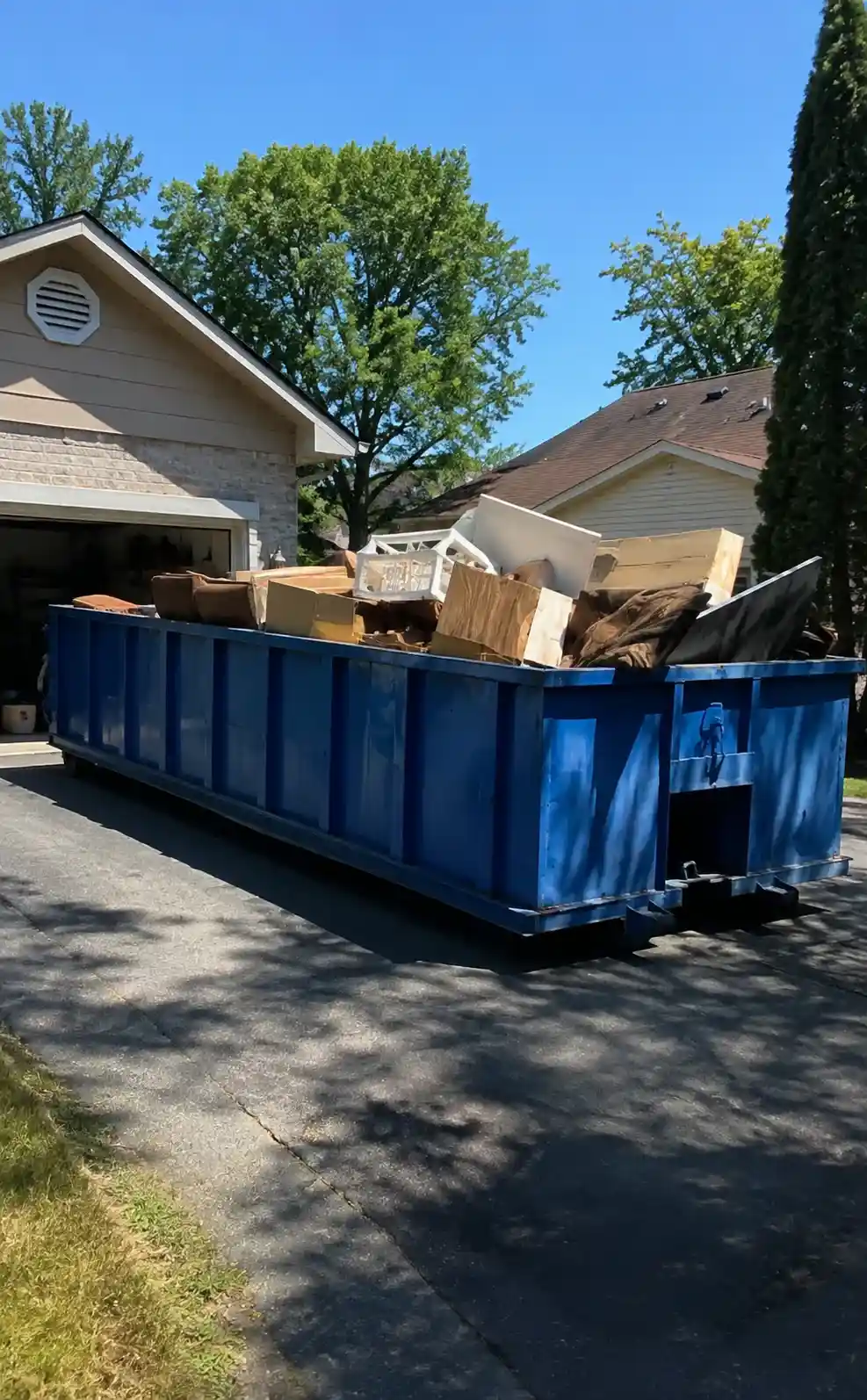
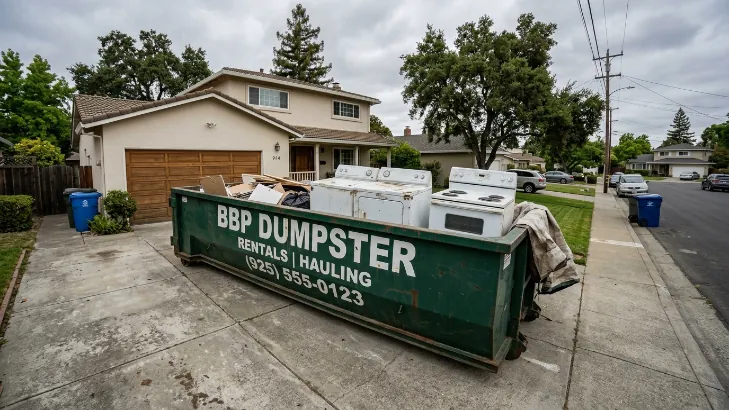
Depending on your city, you may have access to scheduled bulky item pickup through your local franchised hauler, a certified appliance recycler, a retailer take-back program when you buy a replacement, or a professional debris box and hauling service like BBP Dumpster for larger cleanouts. Comparing these channels is a core part of how to dispose appliances California households typically go through when they are renovating a kitchen or clearing out a garage full of aging equipment. Ask each option directly whether refrigerant recovery, transport, and final processing are included, since that single question usually reveals which channel fits your timeline best.
Step 4: Prepare the Appliance for Pickup or Drop-Off
Empty the unit completely, secure or remove loose doors for safety, and unplug it well before your scheduled service. If you are working with a debris box rental, keep appliances in a clearly accessible area of the container so the crew can load them without shifting other debris. Preparing the unit correctly is a small but essential part of how to dispose appliances California pickup crews expect from every household they visit.
Step 5: Schedule Pickup and Confirm Proper Processing
Once everything is sorted and prepped, schedule your pickup with a certified hauler or municipal program. BBP Dumpster, based in Concord, helps residential and commercial customers throughout Contra Costa County and Alameda County manage large cleanouts that include old appliances alongside general household debris, making the entire process of how to dispose appliances California families deal with far less stressful from start to finish.
Documentation Worth Keeping After Pickup
Once your appliance has been collected, keep any receipt, work order, or refrigerant recovery tag your hauler provides. This paperwork confirms the unit was handled through a compliant channel and can be useful if a property manager, landlord, or future buyer ever asks how an old unit was removed. Building this habit into how to dispose appliances California households manage over time makes future cleanouts faster, since you already know which hauler or recycler to call again.
Donation, Resale, and Reuse Before You Recycle
Not every appliance needs to be scrapped. A working refrigerator, stove, or washer in good condition may qualify for donation to a local charity, a resale through an online marketplace, or pickup by a nonprofit reuse organization. These options extend the useful life of the appliance and reduce demand for new manufacturing. Before donating, confirm the organization actually accepts appliances, since many groups can no longer take units with older refrigerants or units that are not in fully working order. Weighing reuse against recycling is a practical first move in how to dispose appliances California households can make before committing to a full disposal channel.
Common Mistakes to Avoid
Even careful homeowners run into trouble here. Leaving a refrigerator at the curb without a completed refrigerant recovery tag is one of the most common errors, and it is often the reason a hauler refuses pickup entirely. Another frequent mistake is assuming all appliances belong in the same bin as general bulky waste, when small electronics with circuit boards actually fall under separate universal waste handling. A third mistake is scheduling a pickup without checking whether the appliance still contains food, water, or cleaning chemicals, which can delay or cancel a scheduled stop. Skipping these details defeats the purpose of learning how to dispose appliances California rules require in the first place, so it pays to sort correctly the first time and confirm requirements with your hauler before pickup day.
Seasonal Timing for Appliance Disposal in California
Demand for appliance pickup tends to rise during spring cleaning season and again in early summer, when many households tackle kitchen remodels before hosting outdoor gatherings. End-of-year moves and post-holiday upgrades create a second smaller wave. Scheduling early during these peak windows makes the process of how to dispose appliances California residents deal with each season noticeably smoother, since certified haulers and recyclers book up faster when demand climbs.
Appliance Disposal Tips for Concord and the Bay Area
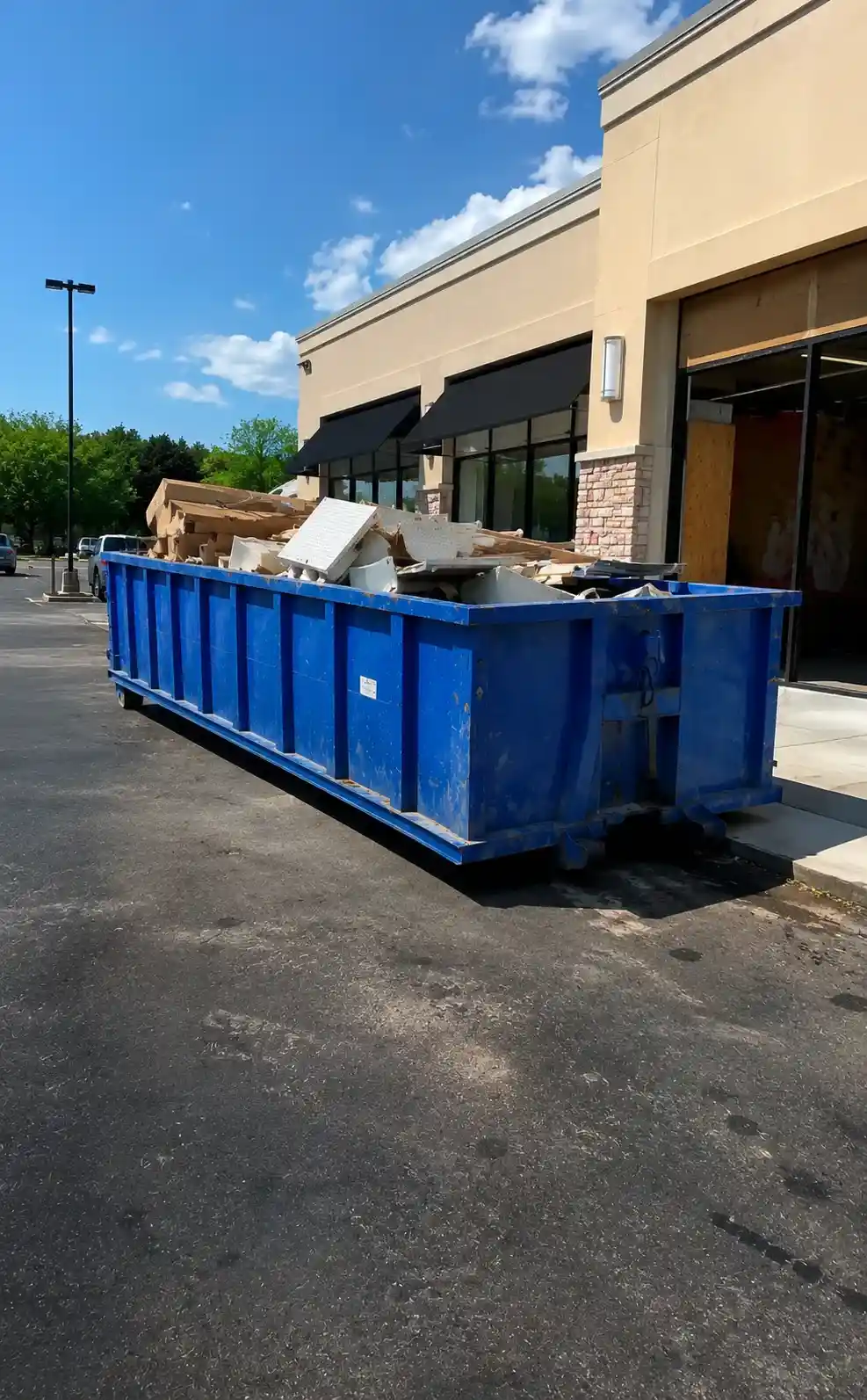
Homeowners across Concord, Walnut Creek, Pleasant Hill, and Martinez all fall under similar Contra Costa County rules, though pickup logistics vary by city program. Residents near landmarks like Todos Santos Plaza, Buchanan Field, and the Concord Pavilion often reach out during the same renovation season, since older homes throughout the area tend to have aging kitchen and laundry appliances that need replacing at similar times. If you are working on a larger project, such as a kitchen remodel or full property cleanout, a rented debris box from BBP Dumpster is often the simplest way to consolidate old appliances with construction debris, packaging, and other bulky items in one organized container. Our team frequently answers questions about how to dispose appliances California homeowners bring to us during larger renovation projects, and we route every load through compliant local processors.
Clients across our Google Business Profile and Yelp reviews consistently mention how straightforward our team makes the process, particularly for customers who were unsure how to dispose appliances California rules cover before reaching out. You can browse those reviews directly before booking a container.
If you live outside Concord, our areas served page lists every Contra Costa and Alameda County city we currently cover, including Alameda, Berkeley, Oakland, Fremont, Hayward, San Leandro, Dublin, Pleasanton, Livermore, Union City, Newark, Emeryville, Albany, and Piedmont.
Frequently Asked Questions
Can I put a refrigerator at the curb with my regular trash in California?
No. Refrigerators contain regulated refrigerant that must be recovered by a certified technician first. Most haulers will reject an untagged unit, which is why understanding how to dispose appliances California haulers require is so important before pickup day.
Do small kitchen appliances need special handling?
Many small appliances contain circuit boards or batteries and fall under California’s universal waste rules, so they should not go directly into a regular trash bin.
Is there a difference between disposing of a working appliance and a broken one?
Yes. A working appliance often qualifies for donation, resale, or a retailer take-back program, while a broken unit typically moves straight to certified recycling, which changes which parts of how to dispose appliances California guidelines apply to your specific situation.
What is the safest way to dispose of a working appliance I no longer need?
Consider a retailer take-back program when purchasing a replacement, a certified local recycler, or donation to a reuse organization, all of which support responsible handling under how to dispose appliances California guidelines encourage.
Do I need a permit to dispose of a large appliance in California?
Most residential appliance disposal does not require a permit, though multi-unit properties and contractors may face additional recordkeeping rules. When in doubt, ask your hauler how to dispose appliances California multi-family properties are expected to follow before scheduling a large pickup.
Can BBP Dumpster help with an entire kitchen full of old appliances?
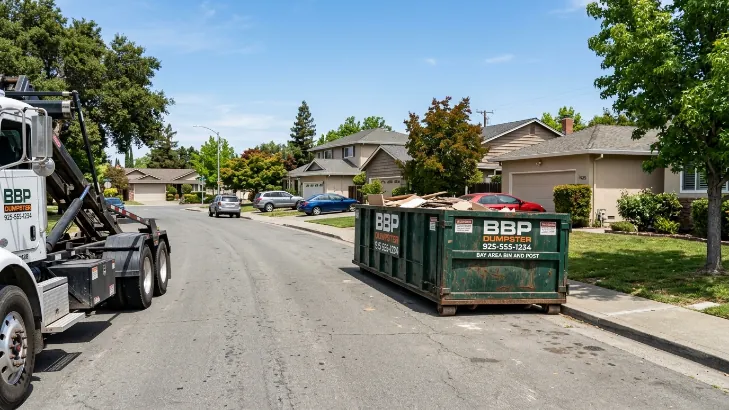
Yes. A debris box rental from BBP Dumpster is a practical way to consolidate multiple appliances and renovation debris for a single organized pickup in Concord and the surrounding Contra Costa and Alameda County service area.
Conclusion
Knowing how to dispose appliances California residents are expected to follow protects your household, your neighbors, and the local environment, while keeping recyclable metal and hazardous refrigerant out of landfills. Sort your appliances correctly, handle refrigerant-bearing units through a certified technician, weigh donation or resale before recycling, and choose a disposal channel that matches your project size. If you are managing a bigger cleanout in Concord or anywhere across Contra Costa or Alameda County, contact BBP Dumpster today to schedule a debris box and take the guesswork out of the entire process.