
Dumpster Sizes and Prices
Seven roll-off options, from a 12 foot 10 yard to a 20 foot 40 yard, priced from $465 with the disposal weight included. Compare dimensions, capacity and price, then book the one that fits the job and the driveway.
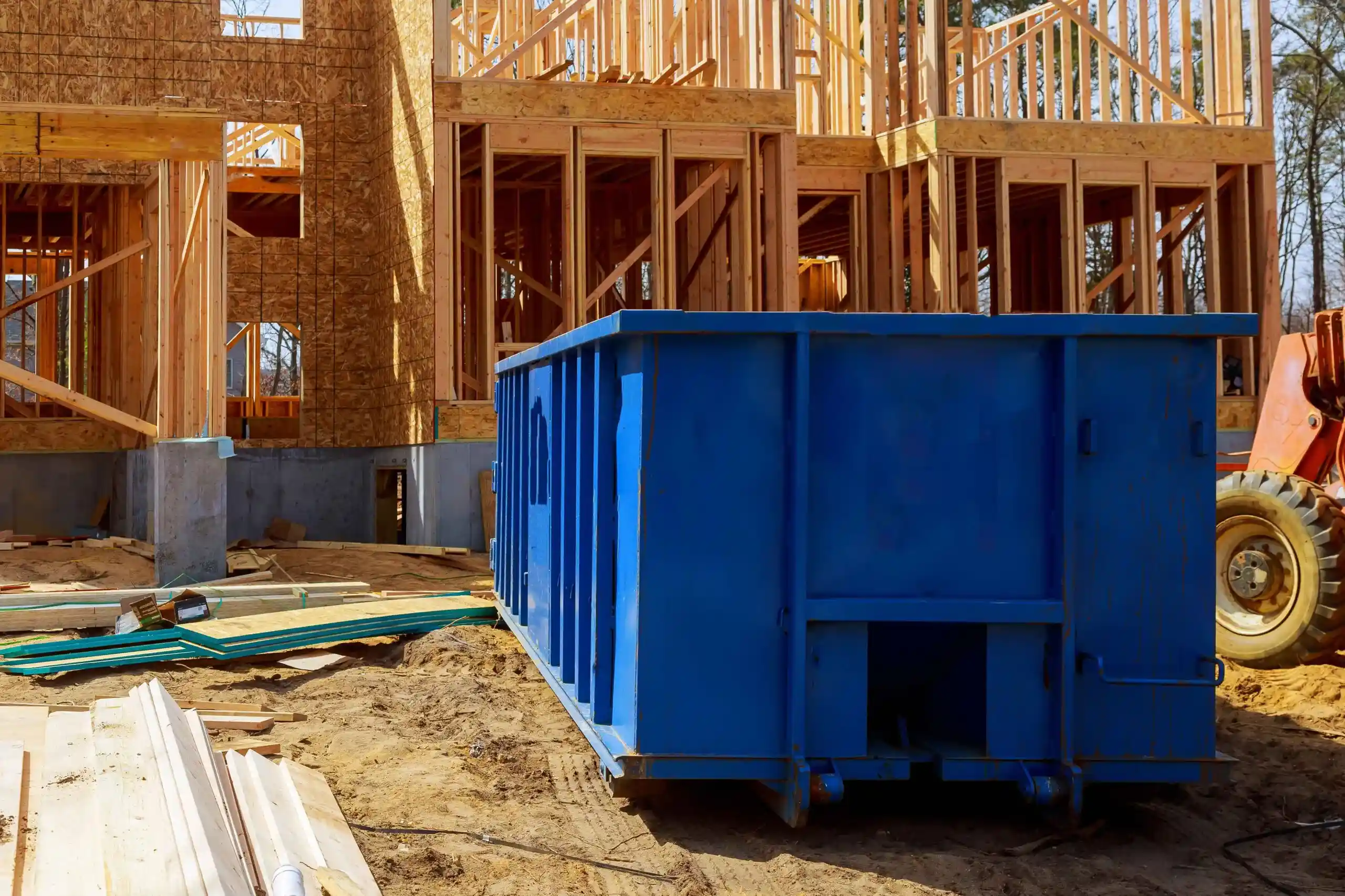
Pick a size and see what it holds
Each container below shows its real dimensions, the weight included in the price and what fits inside, measured three ways.
Selected size
20 yard roll-off
Rental is for up to 7 days. Price per ton over is $165.00/ton.
The tonnage shown is included, and past it the overage runs $165 a ton, charged to the pound from the scale ticket. A week is standard, with 1 to 21 days available on request. Hazardous material of any kind is off limits, along with tires, batteries and units still holding refrigerant.
All seven containers, side by side
Every container is 7.5 feet wide. Length and wall height are what change, along with how much weight comes included.
| Size | Dimensions | Price | Weight included | Garbage bags | Dressers | Pickup loads |
|---|---|---|---|---|---|---|
| 10 yard | 12′ L x 7.5′ W x 3′ H | $465 | 1 ton | 50 bags | 10 dressers | 3 truck loads |
| 15 yard | 12′ L x 7.5′ W x 4.5′ H | $540 | 1.5 tons | 75 bags | 15 dressers | 6 truck loads |
| 20 yard | 16′ L x 7.5′ W x 4.5′ H | $615 | 2 tons | 100 bags | 20 dressers | 6 truck loads |
| 30 yard | 18′ L x 7.5′ W x 6′ H | $765 | 3 tons | 150 bags | 30 dressers | 9 truck loads |
| 40 yard | 20′ L x 7.5′ W x 7.5′ H | $900 | 4 tons | 200 bags | 40 dressers | 12 truck loads |
| 10 yard, clean dirt only | 12′ L x 7.5′ W x 3′ H | $650 | No limit | 50 bags | 10 dressers | 3 truck loads |
| 10 yard, concrete only | 12′ L x 7.5′ W x 3′ H | $550 | No limit | 50 bags | 10 dressers | 3 truck loads |
When the limit is volume
Furniture, brush, decking, cabinetry and general household junk fill the walls long before the tonnage matters. The bigger container is worth it: a second delivery costs more than the extra yardage ever will, and bulky debris cannot be compacted by walking on it.
When the limit is weight
Concrete, dirt, tile, plaster and shingles reach the ton with the box half empty. The smaller container is the right call. For single-material loads, the flat rate 10 yard removes the weight question entirely.
Dumpster size FAQs
The eight questions people ask before booking a container, answered with the actual numbers.
What size dumpster do I need?
A 20 yard covers most jobs. Single rooms, garages and dense debris fit a 10 or 15. A full house or a gutted kitchen takes the 20. Demolition, roofing and commercial work run 30 or 40. When the debris is concrete, dirt or tile, weight arrives before volume does and the smaller container is the cheaper answer.
What are the dimensions of each dumpster?
All seven are 7.5 feet wide. The 10, 15 and both flat rate 10 yards are 12 feet long, the 20 is 16 feet, the 30 is 18 feet and the 40 is 20 feet. Wall height runs from 3 feet on the 10 yards up to 7.5 feet on the 40. Allow roughly 60 feet of straight clearance for the truck to roll one off.
How much does each size cost?
$465, $540, $615, $765 and $900 for the 10, 15, 20, 30 and 40 yard. Each price includes the disposal weight listed, delivery, pickup and seven days of rental. Clean dirt is a flat $650 and concrete a flat $550, both with no weight limit at all.
How much can a dumpster hold?
A 20 yard holds about 100 garbage bags or 6 pickup truck loads. The 10 holds around 50 bags, the 30 about 150 and the 40 about 200. Measured in furniture, that is roughly 10 dressers for the 10 yard and 40 for the 40 yard.
What is the weight limit?
Between 1 and 4 tons, depending on the size. Past the included tonnage the rate is $165 per ton, prorated from the scale ticket. Drywall, plaster and shingles are far heavier than they look, which is where most overages come from.
Will a dumpster fit in my driveway?
A 10 or 15 yard fits a standard two-car driveway with room to park. The 20 takes most of it, and the 30 or 40 usually needs the full length. Ask for boards under the rails if the surface is fresh, stamped or coated.
Can I put dirt and concrete in any dumpster?
Only in the flat rate 10 yard, and one material at a time. Mixing debris into a concrete load converts it to general waste charged by weight, because it then goes to a different facility. Dirt must be covered by the customer and wet dirt is refused.
Which size do most customers rent?
The 20 yard, by a wide margin. It is the smallest container that handles a full house without a second haul, and it still leaves room to walk around it on a normal driveway.
Dumpster Sizes and Prices in Concord, CA
Short answer: a 20 yard dumpster costs $615 with 2 tons included and fits most jobs. BBP Dumpster rents seven roll-off options in Concord, CA: 10, 15, 20, 30 and 40 yards from $465 to $900, plus a flat rate 10 yard for clean dirt only at $650 and a separate flat rate 10 yard for concrete only at $550. Every price covers delivery, pickup, disposal and seven days of rental.
What separates the seven containers is not just capacity. Every one is 7.5 feet wide, so the real difference is length and wall height: 12 feet for the 10, 15 yard and both flat rate 10 yards, 16 feet for the 20, 18 feet for the 30 and 20 feet for the 40. That footprint decides as much as capacity does, because a container has to fit the driveway before it can fit the debris.
Pricing works the same way across the range. The figure quoted covers delivery, pickup, the dump fee and a week of rental, with a set tonnage inside it. Past that tonnage the rate is $165 per ton, calculated to the pound from the scale ticket you receive. There is no fuel surcharge and no environmental fee added afterward.
Volume or Weight, Whichever Runs Out First
Every load ends for one of two reasons. Bulky debris such as brush, sod and old decking fills the walls long before the tonnage matters, so the bigger container is the right buy. Dense debris does the opposite: concrete, dirt, tile and roofing shingles reach the weight limit with the box half empty, and a smaller container at a flat rate ends up cheaper.
A square of composition shingle weighs close to 250 pounds. Thirty squares is nearly four tons, which is a 40 yard container of allowance carried in a fraction of its volume. That single number explains most of the overage charges in this industry.
Four things decide the container, in this order:
- Debris type: concrete, dirt, tile and shingles are weight problems. Furniture, brush and cabinetry are volume problems.
- Driveway length: measure it. A 40 yard needs 20 feet of container plus room for the truck to line up.
- Overhead clearance: roughly 22 feet for the arm to raise, which low branches and carports interrupt more often than people expect.
- How long the job runs: a single swap on a two-week build usually costs less than jumping two sizes up front.
Matching the Size to the Job
For a single room, a garage or a shed, the 10 yard and 15 yard are the practical choices, and the 15 is the better value of the two because it adds 18 inches of wall without adding a foot of driveway. A 20 yard handles a whole-home cleanout, a gutted kitchen or a mid-size roof, which is why it is the container most residential jobs end up booking.
Above that, the 30 yard and 40 yard exist for bulk rather than weight: cabinetry, framing, estate cleanouts and commercial debris that would otherwise need two deliveries. Clean fill and slab tear-outs go in the flat rate 10 yard, where nothing is weighed at all.
Space, Access and Placement
Plan on about 60 feet of straight clearance and 22 feet of height for the truck. Low branches and carport overhangs are the usual surprise on residential jobs. The driver sets the container level and, on request, lays boards under the rails, which matters on stamped concrete and fresh sealcoat.
A container on private property needs no permit. Street placement usually requires an encroachment permit from public works, and the requirements differ across the cities we serve. Rules for Concord are published by the City of Concord, and statewide disposal standards come from CalRecycle.
Why the Flat Rate Skips the Scale
Dirt and concrete each go to a different disposal facility than mixed debris, which is the actual reason those two loads run on a flat rate instead of an included tonnage. Since the material is already sorted before it leaves your property, there is no weighing step to build a price around, and the container can be quoted at a fixed number regardless of exactly how heavy that particular load turns out to be. Mix any other debris into the load and it stops qualifying, converting to a standard weighed container instead.
Rental Length and Booking
Seven days is standard and rentals run from 1 to 21 days when you name the window at booking. Same-day delivery is available on calls placed before 2PM on a weekday across Concord and the surrounding cities, with more than 150 containers held at the yard on Clayton Rd so availability rarely depends on someone else returning a bin. Call (925) 940-9906 or use the contact page for a size and a firm price on the first call. See what else we haul on the services page, or read who is behind the phone on the about page.
Still not sure which one to book?
Send a photo of the pile or describe the room. We pick the container from the debris and the driveway, quote it flat, and hold that number.
Concord, CA and nine Bay Area counties. Mon to Fri, 8AM to 5PM.
What you get on the first call
- Measured, not guessedDriveway length and debris type decide the container, before price ever enters the conversation.
- Tonnage stated in advanceYou know the included weight and the overage rate before the truck is dispatched.
- A slot, not a windowMorning calls usually mean an afternoon drop, and you get a text when it lands.