
How Dumpster Rental Works
Seven steps from the first call to the final invoice, with nothing hidden in between. Here is exactly what happens at each stage, and what to expect if your job does not go exactly as planned.
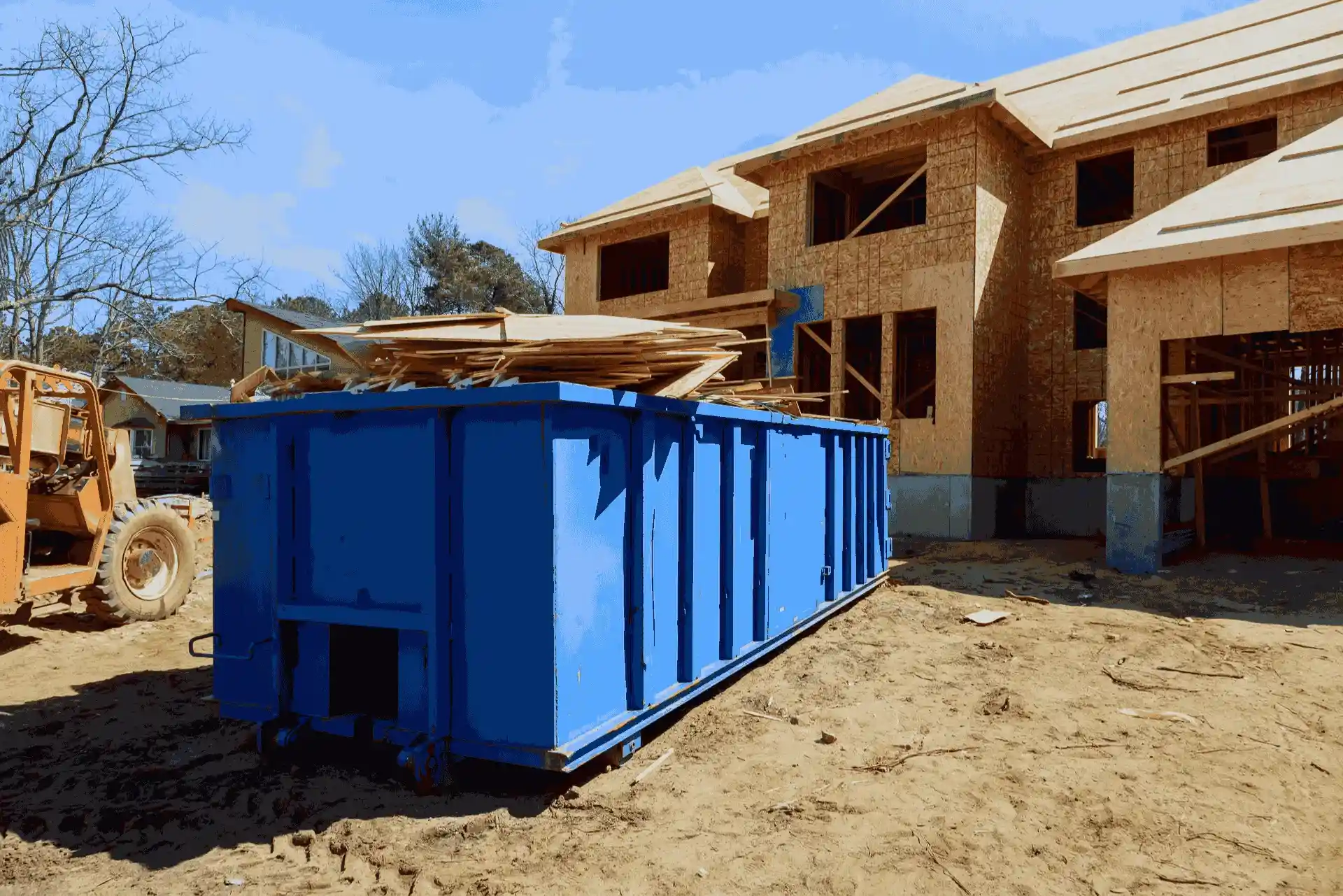
The Process, Start to Finish
Every rental follows the same seven stages, whether it is a single garage cleanout or a multi-week job site.
Know Roughly What Is Coming Out
You do not need an exact yardage before you call. What actually matters is the shape of the job: a single room, a full garage, a roof tear-off, a mixed pile of household junk. That description alone is usually enough for us to name a size, because we have heard the same categories of job thousands of times and know how they translate into cubic yards and pounds.
Call or Text a Photo
Most people just call, but a photo works just as well and sometimes faster, since a picture of the actual pile settles any ambiguity about volume in a way a phone description cannot. Either way, the person responding works at the yard, not a dispatch center reading from a script, so follow-up questions about your specific driveway or street get a real answer on the spot.
Walk Away With a Locked Number
Before that first conversation ends, you know the container size, the flat price, and the earliest delivery date. Nothing about that number moves later unless the actual load runs heavier than expected, and even then the only variable is the overage rate, never the base price or a surprise fee tacked on afterward.
Delivery Day
The truck backs into the spot you described, and the driver sets the container level, adjusting for slope if the driveway is not flat. If you asked for boards under the rails to protect a sensitive surface, they go down before the container touches the ground, not after. A text confirms the drop the moment the truck pulls away, so you are not left checking a window that already passed.
Your Loading Window
Seven days comes with every price, and you fill the container on whatever schedule actually works, not a countdown that starts the second it lands. Loading heavier material first and bulkier items on top keeps the load stable and the weight predictable. Staying level with the rail line rather than mounding material above it is the single habit that avoids a refused pickup.
Pickup
Call when the container is full, or simply let the agreed window run its course, and the same driver who dropped it off typically comes back for it. Nothing needs to be scheduled days in advance for a routine pickup within your rental term, and a same-day swap is available if the job produces more debris than the first container can hold.
The Scale Ticket and Final Charge
Every load crosses a scale at the disposal facility, and that number, not an estimate made in the yard, decides whether anything beyond the base price applies. The ticket comes attached to your invoice, so the final charge is always something you can check against a real weight rather than take on trust.
Common Process Questions
A few things people ask mid-rental, not before they book.
Can I change the delivery date after I book?
Yes, as long as you call before the truck is dispatched. Moving a date is a scheduling change, not a cancellation, so nothing is charged either way.
Does someone else have to be home for the delivery besides me?
No. Anyone can point the driver to the right spot, or you can describe the placement over the phone in advance and the driver works from that instead.
What if the container fills up before my week is over?
Call for a swap. The full container is hauled away and an empty one takes its place, often on the same visit, and the clock on the new container starts fresh.
Do I need to be present when it gets picked up?
No. As long as the container is accessible and loaded within the rail line, the driver can retrieve it without anyone on site.
How Dumpster Rental Actually Works With BBP Dumpster
Short answer: a rental runs through seven stages, from describing the job on the first call to reviewing the scale ticket on the final invoice. The price is locked before the truck leaves the yard, delivery is usually same afternoon on weekday calls before 2PM, and the standard rental window is seven days with 1 to 21 available on request.
The process runs on one working assumption: the fewer people between you and the truck, the fewer places for a delivery to go wrong. There is no sales call separate from the booking call, no dispatcher relaying your address to a subcontractor, and no confirmation email that quietly differs from what was said on the phone.
Why the Price Stays Locked
A locked price only stays locked because of how it is built in the first place. Delivery, pickup, the disposal fee and a full week of rental are folded into the number quoted on the first call, so nothing surfaces later that was not already accounted for, aside from a genuine weight overage confirmed by the scale itself.
Why Same-Day Delivery Works Before 2PM Specifically
Same-day delivery depends on two things holding true at once: a container already sitting at the yard, and a route that has room for one more stop that afternoon. Weekday calls before 2PM usually clear both conditions, which is the entire mechanism behind the cutoff rather than an arbitrary line drawn for marketing purposes. See the full coverage map for how that timing shifts by distance.
What Happens if the Load Gets Flagged
Every container eventually crosses a scale and a sorting line at the disposal facility, and that is where a prohibited item still gets caught if it slipped past on load-in. When that happens, the facility holds the load rather than processing it, we call to explain exactly what triggered the flag, and the item comes back out before anything moves forward. It rarely happens twice with the same customer once they know what to watch for.
What Happens When the Job Changes Mid-Rental
Most rental periods run their full seven days without anyone calling in between, but the process bends easily when a job does not go as planned. A swap mid-week, an early pickup, or a short extension are all handled with a phone call rather than a change request routed through a form. Disposal itself, regardless of when the pickup happens, follows the standards CalRecycle sets for waste diversion across California.
See every container on the dumpster sizes page, or what we haul on the services page.
Start the process with one call
Describe the job or send a photo. The size, the price and the delivery window come back before you hang up, and every step after that follows the same sequence described above.
4918 Clayton Rd, Concord, CA 94521. Mon to Fri, 8AM to 5PM.
The three moments that matter most
- The first callSize, price and delivery date, locked before you hang up.
- Delivery dayPlaced level, boards under the rails if you ask, confirmed by text.
- The scale ticketThe real weight, attached to your invoice, not an estimate.