Did you know that nearly 40% of customers who rent a dumpster end up paying more than they expected? That gap almost always comes from one thing: not understanding how pricing actually works before booking.
This is exactly why dumpster rental pricing explained weight size fees has become one of the most searched questions among homeowners and contractors. In this guide, you’ll learn precisely how weight limits, container size, and add-on fees combine to form your final bill, so you can budget with confidence and avoid surprise charges.
Whether you’re clearing out a garage, gutting a kitchen, or managing a job site, understanding these three factors puts you in control. Continue reading to discover how to choose the right dumpster, what a fair price looks like, and how to skip the costly mistakes most first-time renters make.
What Does Dumpster Rental Pricing Actually Include?
When people ask for dumpster rental pricing explained weight size fees, they’re really asking one thing: “What am I paying for?” A typical rental price bundles several components into a single quote. Understanding each one helps you compare providers fairly instead of being fooled by a low headline number.
A standard dumpster rental quote usually includes:
Base rental rate — delivery, pickup, and a set rental period (often 7–10 days)
Weight allowance — a tonnage limit included in the base price
Disposal/landfill fees — the cost to dump your debris legally
Overage charges — extra cost per ton if you exceed the weight limit
Optional add-ons — extended rental days, specific debris types, or permits
At BBP Dumpster, we believe in transparent, all-inclusive quotes so you’re never blindsided. That’s the foundation of honest dumpster rental pricing.
Need a fast, clear quote? Contact BBP Dumpster for upfront pricing with no hidden fees.
Why Understanding Weight, Size and Fees Matters
Here’s the hard truth: the cheapest advertised price is rarely the cheapest final bill. Getting dumpster rental pricing explained weight size fees up front protects your wallet. A renter who picks a container that’s too small pays for a second haul. A renter who ignores the weight limit gets hit with overage fees. And a renter who overlooks the fine print pays for “fees” they never saw coming.
Understanding these variables matters because:
It prevents you from over-renting or under-renting
It helps you forecast the true total cost
It lets you compare companies on an apples-to-apples basis
It saves you from penalty charges that can double your bill
This is why dumpster rental pricing explained weight size fees is such a valuable topic for anyone planning a project in Contra Costa County or Alameda County.
How Dumpster Size Affects Your Price
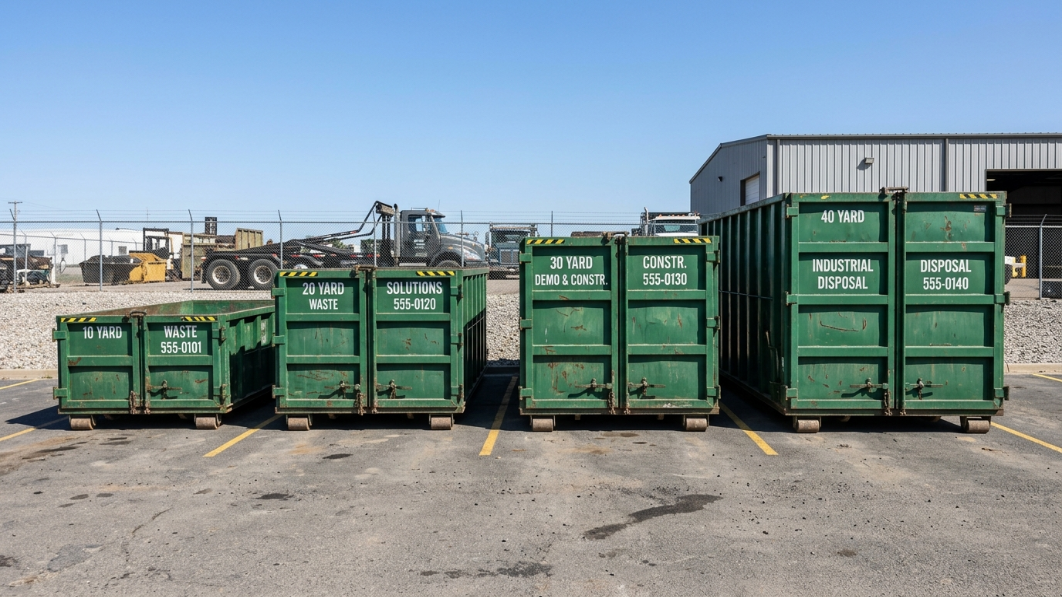
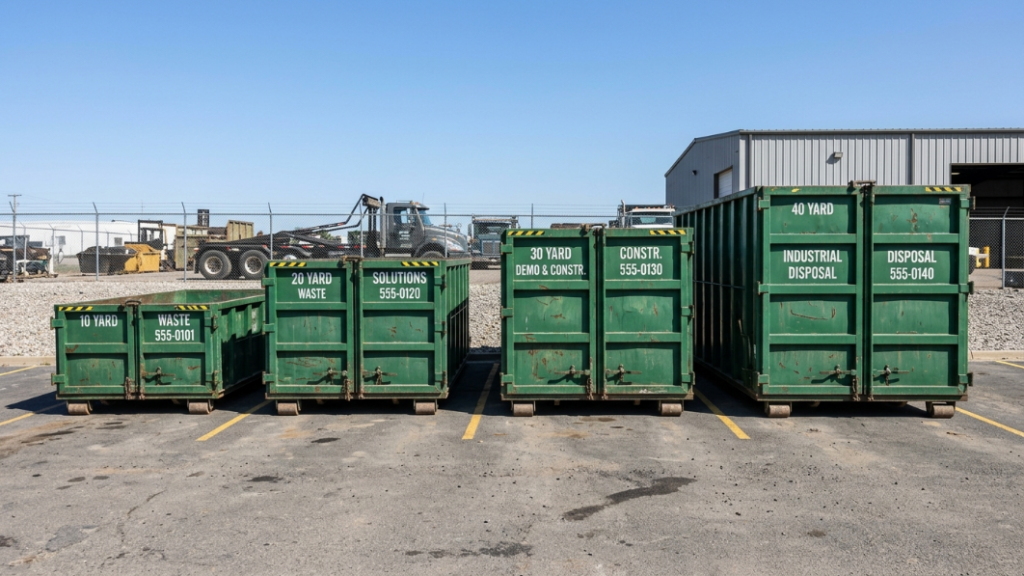
Size is the first lever that moves your price. Dumpsters are measured in cubic yards, which describes the volume of debris they hold. The larger the container, the higher the base rate, because larger dumpsters take up more space, carry more weight, and cost more to haul.
Common Dumpster Sizes and Best Uses
Size
Holds (approx.)
Best For
Typical Project
10-yard
~3 pickup loads
Small cleanouts
Garage, small bathroom remodel
15-yard
~4.5 pickup loads
Medium projects
Flooring removal, deck teardown
20-yard
~6 pickup loads
Large renovations
Kitchen remodel, large cleanout
30-yard
~9 pickup loads
Major projects
Whole-home cleanout, new construction
40-yard
~12 pickup loads
Commercial jobs
Large demolition, big builds
When the topic of dumpster rental pricing explained weight size fees comes up, choosing the right size is the single biggest factor you control. Pick too small, and you’ll pay for an extra haul. Pick too big, and you’re paying for space you don’t use.
How to Choose the Right Size
Estimate your debris volume, then size up one level if you’re unsure. It’s almost always cheaper to have a little extra room than to order a second dumpster. The team at BBP Dumpster can help you match the container to your project in minutes.
How Weight Limits and Overage Fees Work
Size tells you how much volume fits. Weight tells you how much mass you can dispose of without penalty. This is the part of dumpster rental pricing explained weight size fees that catches most people off guard.
Every dumpster comes with an included weight allowance, measured in tons. If your debris exceeds that allowance, you pay an overage fee, typically charged per additional ton.
Featured answer: A dumpster’s weight limit is the maximum tonnage included in your base price. If you exceed it, you pay an overage fee per extra ton (often $40–$100/ton). Heavy materials like concrete, dirt, and roofing shingles hit weight limits fast, even in a small dumpster.
Why Material Type Changes Everything
Light, bulky debris (furniture, cardboard, drywall) fills volume before it hits the weight limit. Dense, heavy debris (concrete, brick, tile, soil) hits the weight limit long before it fills the volume. This is central to dumpster rental pricing explained weight size fees, because two identical-looking loads can cost very different amounts.
Heavy materials: concrete, asphalt, dirt, brick, tile, shingles
For heavy debris, many providers, including BBP Dumpster, recommend a smaller dumpster with a dedicated heavy-material rate. That’s smart dumpster rental pricing in action.
Common Dumpster Rental Fees You Should Know
Beyond size and weight, “fees” is the third pillar of dumpster rental pricing explained weight size fees, and the one with the most hidden traps. Reputable companies disclose these up front; less reputable ones bury them.
Watch for these potential charges:
Overage fees — for exceeding your weight allowance
Extended rental fees — daily charges past the included rental window
Permit fees — if the dumpster sits on a public street
Trip/relocation fees — if the driver can’t access the drop site
Late pickup or admin fees — varies by company
When you truly get dumpster rental pricing explained weight size fees, you’ll know to ask about each of these before signing. At BBP Dumpster, our quotes are designed to be clear and all-inclusive so these “surprises” don’t exist.
Here’s a simple, repeatable process that puts dumpster rental pricing explained weight size fees into practice.
Estimate your debris volume — in cubic yards, to choose a size.
Identify your material type — light or heavy, to gauge weight.
Match size to project — using the size chart above.
Confirm the weight allowance — and the overage rate per ton.
Ask about all fees — permits, extended days, prohibited items.
Request an all-inclusive quote — so the final number is the real number.
Follow these six steps and you’ll never be caught off guard. This framework is the heart of dumpster rental pricing explained weight size fees, and it works for homeowners and contractors alike.
Practical Tips and Real Examples
Knowing the theory is one thing; applying it saves money. These practical tips bring dumpster rental pricing explained weight size fees to life.
Combine projects to fill one dumpster efficiently instead of renting twice.
Break down bulky items to maximize usable volume.
Separate heavy debris to avoid blowing past your weight limit.
Keep the lid closed and load level — overfilled dumpsters can’t be hauled and may incur fees.
Book in advance during spring and summer, the busiest seasons.
Real example: A Concord homeowner remodeling a kitchen chose a 20-yard dumpster for cabinets, drywall, and flooring. Because the debris was mostly light, they stayed under the weight limit and paid exactly the quoted price. A neighbor doing a patio demolition with concrete chose the same 20-yard size but exceeded the weight limit by two tons, adding overage fees. Same size, very different bill, a perfect illustration of dumpster rental pricing explained weight size fees.
Common Mistakes and How to Avoid Them
Even experienced renters slip up. Avoid these and you’ll master dumpster rental pricing explained weight size fees.
Underestimating debris → order one size up when unsure.
Ignoring weight limits → ask the per-ton overage rate before booking.
Mixing heavy and light debris carelessly → separate to stay under limits.
Forgetting permits → ask if you’re placing the dumpster on the street.
Choosing on price alone → compare all-inclusive totals, not headline rates.
Local Service You Can Trust in Concord and Beyond
BBP Dumpster proudly serves Concord and the surrounding Bay Area, including Walnut Creek, Antioch, Richmond, Oakland, and Berkeley. Located just off Clayton Rd near the Concord/Clayton border and minutes from landmarks like Todos Santos Plaza and Mount Diablo, we know the local hauling and landfill landscape inside out. You can learn more about our Concord dumpster rental service or browse all the areas we serve.
What Our Customers Say
Our reputation is built on transparency, exactly the spirit of dumpster rental pricing explained weight size fees:
“Upfront pricing and no surprises. The quote I got was the price I paid.” — Google review
“On-time delivery and pickup, and they helped me pick the right size.” — Google review
“Great local team in Concord. Easy, honest, and affordable.” — Yelp review
Costs vary by size, weight, location, and rental period. Once you have dumpster rental pricing explained weight size fees, you’ll know the total depends on the container size, your included tonnage, and any add-on fees. The best way to get an accurate number is a free, all-inclusive quote from a local provider like BBP Dumpster.
What happens if I go over the weight limit?
You’ll pay an overage fee, usually charged per additional ton above your allowance. This is one of the most important parts of dumpster rental pricing explained weight size fees, especially for heavy debris like concrete, dirt, and roofing.
What size dumpster do I need?
For small cleanouts, a 10–15 yard works well. For kitchen or large home renovations, choose 20–30 yards. Major builds and demolitions often need 40 yards. When in doubt, size up, it’s central to smart dumpster rental pricing.
Are there hidden fees in dumpster rental?
There can be, which is why dumpster rental pricing explained weight size fees matters. Common extras include permit, overage, extended rental, and prohibited-item fees. BBP Dumpster provides transparent, all-inclusive quotes to eliminate surprises.
Do I need a permit for a dumpster?
Only if the dumpster sits on a public street. If it’s on your private driveway, you typically don’t. Ask your provider, who can advise based on your city’s rules in Contra Costa or Alameda County.
Conclusion: Budget Smart, Rent with Confidence
Now that you have dumpster rental pricing explained weight size fees in plain terms, you can make a confident, cost-effective choice. Remember the three pillars: choose the right size for your debris volume, respect the weight limit for your material type, and ask about every fee before you book. Master those, and you’ll avoid the surprise charges that trip up most first-time renters. Dumpster rental pricing explained weight size fees doesn’t have to be confusing, with the right local partner, it’s simple and transparent.
Ready to start your dumpster rental in Concord, CA? Request your free quote with BBP Dumpster today.
BBP Dumpster | The Best Dumpster Rental & Waste Management in Concord Address: 4918 Clayton Rd, Concord, CA 94521, United States Phone: (925) 940-9906 Email: bbpdumpster@gmail.com Office Hours: Mon–Fri 9 AM – 5 PM | Sat 9 AM – 2 PM