Did you know a single bag of debris poking over the rim can stop your entire pickup and trigger an extra charge? It happens more often than most homeowners expect. So what happens if you overfill a dumpster? In short, you risk overage fees, a refused or delayed pickup, possible property damage, and even safety hazards on your driveway. If you have ever wondered whether stacking junk “just a little” above the top is worth it, this guide is for you.
In the next few minutes you will learn exactly what counts as overfilling, the real-world costs involved, and the simple habits that keep your bill predictable. Continue reading to discover how to avoid every one of these consequences before your next project starts.
What Does It Mean to Overfill a Dumpster?
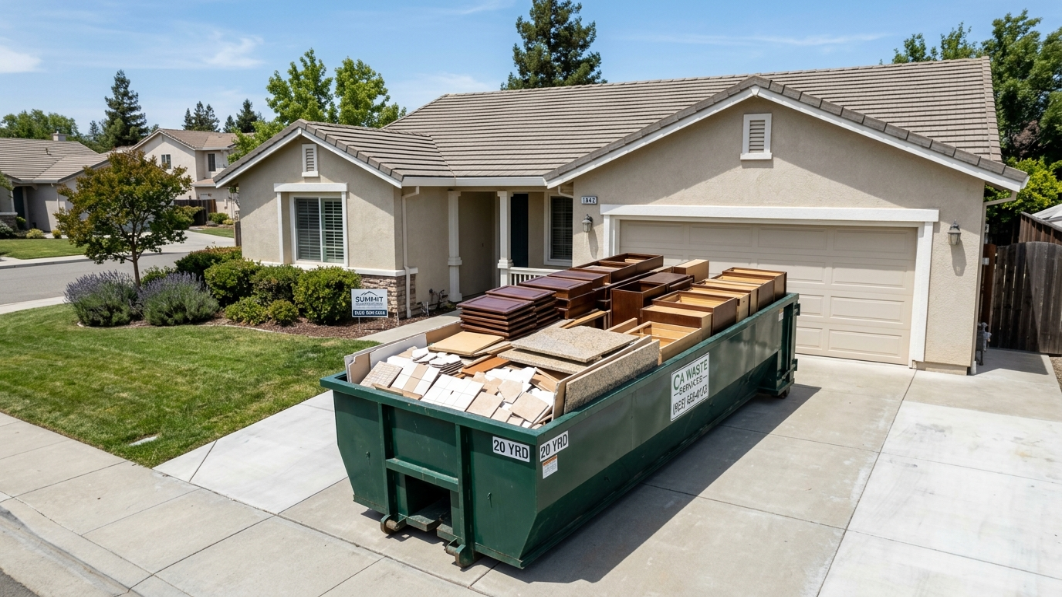
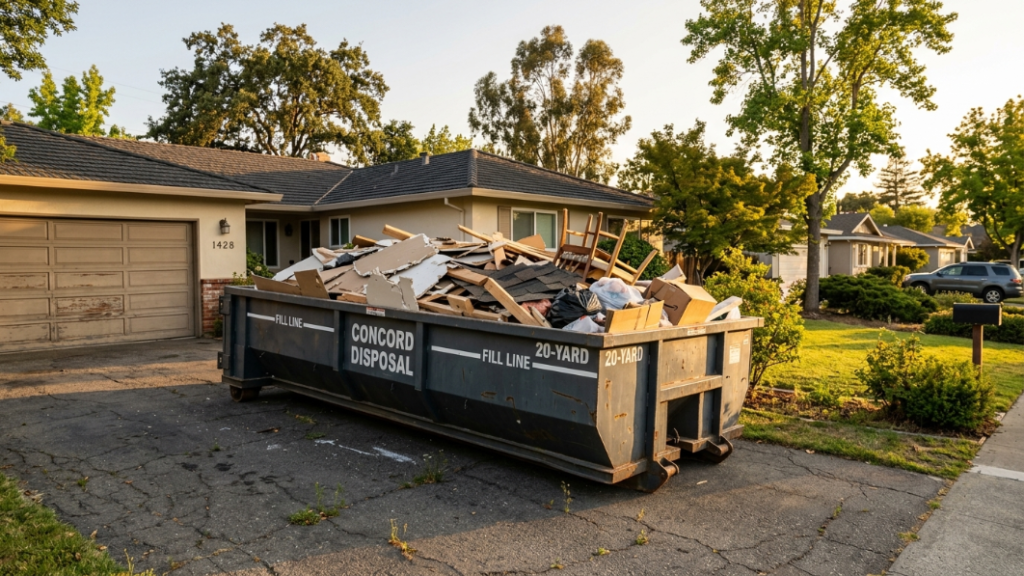
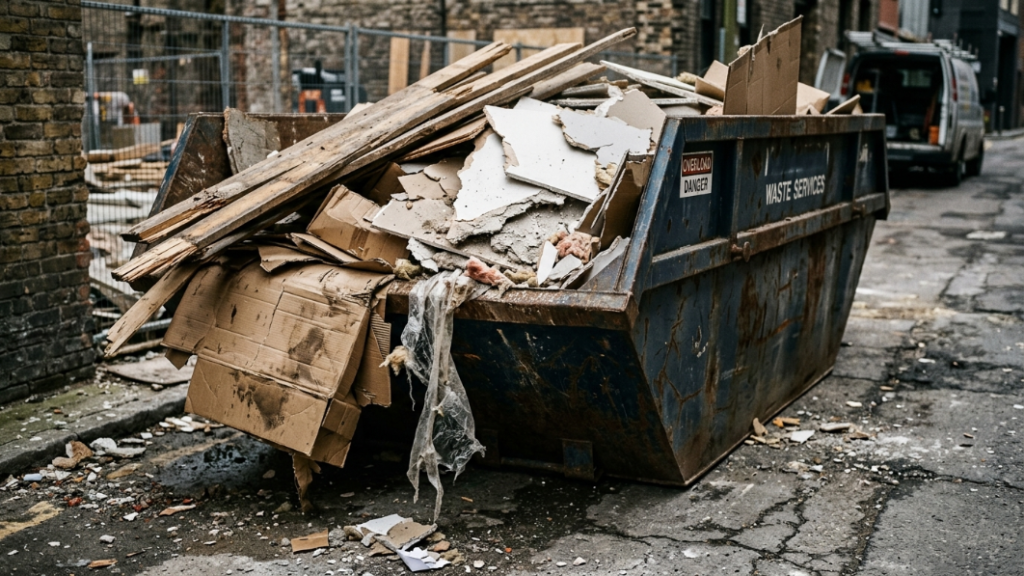
Overfilling means loading debris above the dumpster’s marked fill line or letting material hang over the sides and top rim. Haulers treat any waste that breaks the plane of the top edge as a violation — even a single mattress corner or a protruding board.
There are actually two separate problems people lump together:
- Volume overfill: Debris physically rises above the rim or fill line.
- Overweight loading: The contents stay below the line but exceed the container’s tonnage limit (common with concrete, dirt, shingles, and tile).
Both can cause trouble, and you can trigger one without the other. Understanding the difference is the first step to keeping your rental on budget. The friendly team at BBP Dumpster walks every customer through these limits before delivery.
Why the Fill Line Exists
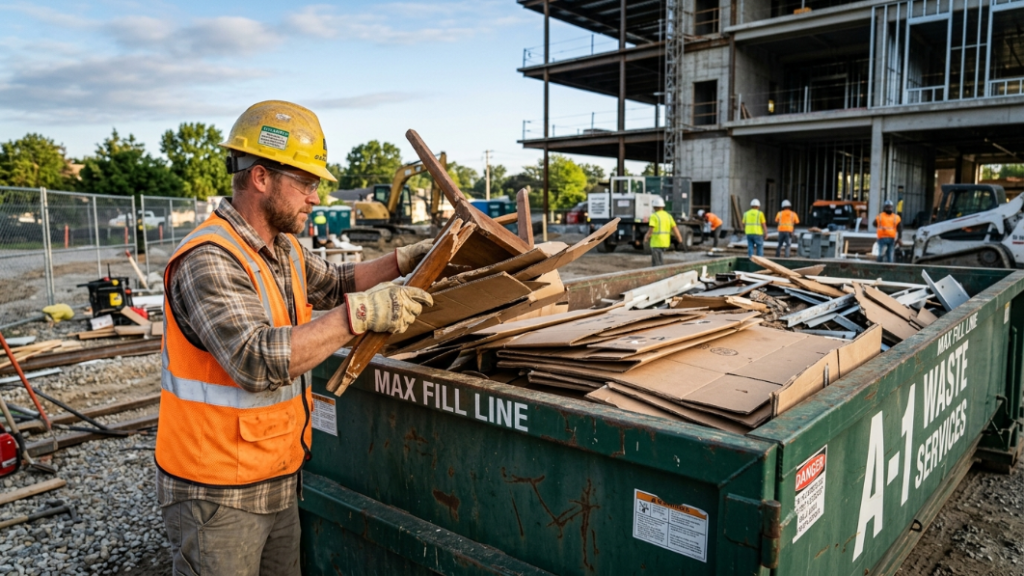
That painted line is not a suggestion. It marks the maximum safe load for legal transport. Above it, debris can shift, fall onto the road, or make the container unstable on the truck. Landfills and the California Highway Patrol both enforce rules around uncovered and overloaded loads. This is a core reason what happens if you overfill a dumpster can extend beyond fees into real legal and safety territory.
What Happens If You Overfill a Dumpster? The 7 Real Consequences
Here is the heart of the matter. When you overfill a dumpster, these are the consequences you can realistically expect.
1. Overage and Overweight Fees
The most immediate answer to what happens if you overfill a dumpster is money. Overage fees are typically charged per ton over your included weight allowance, often in the range of $40–$100+ per extra ton. Volume overfill can add a flat overflow charge on top of that.
2. Refused or Failed Pickup (Trip Fee)
If the driver arrives and the load breaks the fill line, the dumpster cannot be legally or safely hauled. You may be charged a wasted-trip fee and asked to remove the excess before they return.
3. Project Delays
A refused pickup means your timeline slips. For contractors working on deadlines, a single failed haul can ripple across an entire schedule.
4. Property Damage
An overloaded container is heavier and harder to maneuver. That extra stress can crack a driveway, gouge asphalt, or damage landscaping during pickup.
5. Safety Hazards
Debris stacked above the rim can topple, fall onto people or vehicles, or scatter into the street. This is exactly why understanding what happens if you overfill a dumpster matters beyond just cost.
6. The Need for a Second Dumpster
If your excess won’t fit after redistribution, you may need a “dump and return” service or a second container — both add expense that proper sizing would have prevented.
7. Possible Code or Hauling Violations
Uncovered, overflowing loads on public roads can violate local ordinances and state transport rules, occasionally resulting in citations for the hauler that get passed back to the customer.
Overfill vs. Overweight: A Quick Comparison
| Factor | Volume Overfill | Overweight Load |
|---|---|---|
| Trigger | Debris above the fill line or rim | Tonnage exceeds the limit |
| Common cause | Bulky, light items (furniture, boxes) | Dense material (concrete, dirt, tile) |
| Typical charge | Flat overflow fee + possible trip fee | Per-ton overage fee |
| Pickup impact | Often refused until fixed | Usually hauled, then billed |
| Easy fix | Break down and redistribute | Order a larger or second bin |
This kind of side-by-side view is one of the fastest ways to decide which mistake you are most likely to make on your specific project.
How to Avoid Overfilling a Dumpster: Step by Step
The good news is that every consequence above is avoidable. Here is a simple, repeatable process.
- Estimate honestly. List your debris type and rough volume before you call. Heavy materials need their own plan.
- Choose the right size. When in doubt, size up. A slightly larger bin almost always costs less than overage fees. See available sizes and guidance on the BBP Dumpster homepage.
- Load smart. Place heavy items flat on the bottom, break down boxes and furniture, and distribute weight evenly.
- Respect the fill line. Never let anything cross the top rim.
- Separate heavy from light. Keep concrete, dirt, and shingles in a dedicated load.
- Tarp for weather. Rain adds surprising weight to absorbent debris.
- Ask before you toss. Confirm prohibited items to dodge separate disposal fees.
Common Mistakes (and How to Dodge Them)
Most of the time, what happens if you overfill a dumpster traces back to one of these avoidable slip-ups:
- Renting too small to “save money.” This is the number-one cause of overfilling. A right-sized bin is cheaper than a second trip.
- Mixing heavy debris into a general load. Garage junk plus a concrete slab in one bin is a classic overweight trap.
- Ignoring the rental agreement. Your contract spells out weight limits and prohibited items. Read it.
- Forgetting about moisture. Wet cardboard and soaked drywall weigh far more than dry.
- Last-minute “while we’re at it” dumping. Adding unplanned junk changes the quote you were given.
Local Case Study: A Concord Renovation Done Right
A homeowner near Todos Santos Plaza in downtown Concord was clearing out a full kitchen remodel — cabinets, tile, and drywall. Worried about what happens if you overfill a dumpster, they called BBP Dumpster for sizing advice. The team recommended splitting the dense tile into a separate load and sizing up the main container. The result: zero overage fees, an on-time pickup, and an undamaged driveway.
That neighborly, plan-ahead approach is why BBP Dumpster has earned strong reviews across the East Bay.
“BBP made dumpster rental painless — they helped me pick the right size and there were no surprise fees. Highly recommend for anyone in Concord.” — Google Business Profile review (5 stars)
“Prompt delivery, fair pricing, and they actually explained the weight limits. Easy 5 stars.” — Yelp review
You can read more verified feedback on the company’s Google Maps profile and Yelp page.
Service Areas: We Help You Avoid Overfilling Across the East Bay
BBP Dumpster serves communities throughout two counties, so right-sizing advice is always local:
- Contra Costa County: Concord, Walnut Creek, Clayton, Pleasant Hill, Martinez, Danville, San Ramon, Antioch, and more across Contra Costa County.
- Alameda County: Oakland, Berkeley, Fremont, Hayward, Livermore, Pleasanton, and the full Alameda County area.
See every community we cover on our areas served page.
Frequently Asked Questions
What happens if you overfill a dumpster and the driver can’t pick it up?
If the load breaks the fill line, the driver cannot legally haul it. You’ll likely be charged a trip fee and asked to remove the excess so the dumpster can be picked up on a return visit.
How much are dumpster overage fees?
Overage fees are usually billed per ton over your weight allowance, commonly $40–$100+ per extra ton, plus a possible flat overflow charge for volume overfill. Exact amounts depend on your provider and local landfill rates.
Can I just push debris down to get under the fill line?
You can redistribute and break down items to gain space, but you cannot compact past the safe limit. If material still rises above the rim after redistribution, you need a larger or second container.
Is overweight the same as overfilling a dumpster?
No. Overfilling is about volume crossing the fill line, while overweight is about exceeding the tonnage limit. You can trigger either one independently, which is a big part of what happens if you overfill a dumpster the wrong way.
How do I avoid overage fees entirely?
Size up when unsure, separate heavy debris, load evenly, keep everything below the fill line, and confirm prohibited items in advance. Request a free quote from BBP Dumpster and we’ll help you choose right the first time.
Conclusion
So, what happens if you overfill a dumpster? You open the door to overage fees, refused pickups, project delays, property damage, and safety risks — every one of them avoidable with a little planning. Choose the right size, respect the fill line, separate your heavy materials, and read your rental agreement. Do that, and your final bill will match your quote.
Understanding what happens if you overfill a dumpster ahead of time is the single best way to keep your project smooth and predictable.
Ready to start your dumpster rental in Concord, CA? Request your free, no-pressure quote today with BBP Dumpster. Contact us here and let our friendly local team size it right the first time.
BBP Dumpster | Dumpster Rental & Waste Management Address: 4918 Clayton Rd, Concord, CA 94521, United States Phone: (925) 940-9906 Email: bbpdumpster@gmail.com Office Hours: 9 AM – 5 PM Monday–Friday | 9 AM – 2 PM Saturday Privacy Policy · Terms & Conditions · Accessibility Statement